Wishlist

You pull open the junk drawer looking for tape and find mismatched lids, half-empty bottles and loose batteries. Or you open the pantry and a bag of rice spills because the clip failed. Choosing the right storage containers prevents those small daily annoyances—but it starts with matching the container to the job, not just the color or sale price.
Start by defining the problem you need to solve
Before you compare materials or styles, decide what each container must do. Ask: where will it live, what will it hold, how often will I access it, and does it need to be airtight, stackable, or childproof? These four questions determine almost every sensible choice.
- Location: humidity, temperature swings and visibility matter—garage and basement needs differ from kitchen and closet.
- Contents: dry food, liquids, seasonal decor, tools or textiles each favor different designs and materials.
- Frequency: daily-use items should be easy to access (clear, stack-friendly) while long-term storage can prioritize capacity and protection.
- Special requirements: airtight for food, rodent-proof for attic storage, ventilated for linens to prevent mildew.
Which materials actually matter—and why
The common choices are plastic, glass, metal and woven fibers. Pick based on the job:
- Clear hard plastic (polypropylene/PET) — lightweight, inexpensive and visible. Best for pantry organization, closet bins and toys. Look for BPA-free labeling for food contact.
- Opaque heavy-duty plastic totes — thicker walls and reinforced lids suit garage, attic and moving storage where durability and stackability are priorities.
- Glass — nonreactive and better for long-term food storage or meal prep; heavier and breakable so use mainly in kitchen or fridge.
- Metal — good for tools and oil-stained items. Not ideal for humid areas unless coated.
- Woven baskets and fabric bins — aesthetic choices for open shelving, closets and living rooms; they breathe, so avoid for moist or pest-prone contents.
Match container features to common home use cases
Below are typical scenarios and the features that save effort and frustration.
Pantry and dry-food storage
Require airtight seals, food-safe material and clear visibility. Choose square or rectangular containers to use shelf space efficiently. Measure shelf depth—tall jars that don’t fit are a frequent waste.

Product option: When you want a starter set that covers multiple sizes, a BPA-free airtight container pack helps keep staples fresh and stack neatly.
Refrigerator and meal prep
Use glass or high-quality BPA-free plastic that’s microwave and dishwasher safe. Select shallow, rectangular containers for stacking in fridges and for even reheating.
Closets, clothing and linens
Choose breathable fabric bins for seasonal clothing to avoid mildew, or clear shallow boxes for under-bed storage so you can identify contents quickly. For long-term textile storage, include acid-free tissue or cotton bags.
Garage, attic and heavy items
Durability and stackability are key. Hard opaque totes with reinforced lids resist crushing and protect from dust and pests. Label the lid and position frequently used bins at eye level.
Small spaces and frequent-access zones
For drawers, under-sink areas and narrow pantries, slim pull-out organizers and stackable modular bins make the most of vertical space and plumbing obstructions.
If under-sink space is awkward, a tiered pull-out organizer clears clutter and keeps chemical bottles accessible without knocking into pipes.
Size, shape and stackability: practical sizing rules
Measure first. Width, depth and shelf height are all essential. A common mistake is buying large clear bins that won’t fit between shelves or in your car when you need to move them.
- Measure the smallest dimension where the container must fit (doorway, shelf gap, under-bed clearance).
- Favor rectangular shapes for shelving—they waste less space than round jars.
- Stackability: look for interlocking lids or recessed tops to prevent slippage when piling.
Labeling, visibility and maintenance
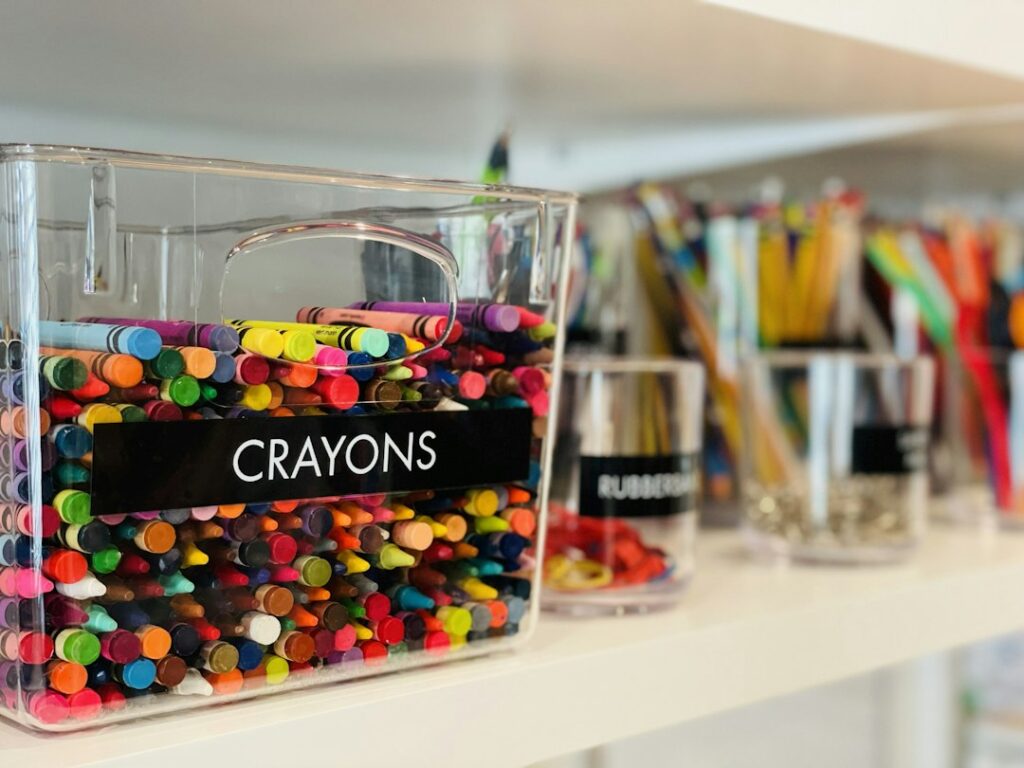
Clear containers reduce the need for labels, but labeling still speeds retrieval and reordering. Use a consistent label method—dry-erase on lids for rotating contents, printed labels for long-term bins.
- Keep lids and seals clean—dirt degrades airtightness.
- Wipe down plastic occasionally to prevent dust buildup, and air out woven bins before storing linens.
- Replace damaged lids; a crack in the seal defeats an airtight container faster than any other wear.
Budgeting and when to splurge
Spend where it affects daily life: airtight food containers and durable garage totes are worth a better build. Save on decorative baskets or single-use boxes you’ll replace often. Think lifecycle: cheap containers that warp quickly become more costly over time.
Two recommended products that solve common needs
For general household organization where visibility and capacity matter, clear modular bins are versatile; for under-sink or odd-shaped cabinet spaces, a tiered under-sink organizer is often the better investment.
Two relevant options
Quick decisions for tricky trade-offs
If you must choose between look and function: prioritize function for hidden spaces (garage, pantry, attic) and aesthetics for open shelving. When humidity or pests are concerns, prioritize sealed, rodent-resistant containers even if they’re opaque.
Where to start this weekend
Make one focused sweep: pick a zone (pantry, closet, garage), empty it, sort into keep/donate/stockpile, measure and then buy containers sized to that space. Repeating this one room at a time prevents wasteful impulse buys.

- Measure shelf depth, width and height where containers will live.
- List exact items you’ll store and note special needs (airtight, ventilated, heavy-duty).
- Decide visibility vs. privacy (clear vs. opaque) for each area.
- Prioritize quality for daily-use and pest-prone zones.
- Plan labels and a maintenance routine for seals and lids.
Choose storage containers based on location, contents and frequency of use. Favor airtight and visible solutions for food, durable stackable totes for heavy or long-term storage, and breathable bins for linens. Measure first, buy second.
Are plastic containers safe for food storage?
Use BPA-free plastic or glass for food; check manufacturer labels for microwave and dishwasher safety. Replace warped or stained containers as they can harbor bacteria.
How do I keep containers rodent-proof in the attic or garage?
Use heavy-duty opaque plastic totes with tight-sealing lids and avoid cardboard; store off the floor on shelving to reduce access.
Should I choose clear or opaque containers?
Choose clear when you need quick visual access (pantry, toys), and opaque when protecting contents from light or hiding clutter on open shelves.
How do I decide what size container to buy?
Measure the storage space and match container external dimensions; opt for modular sizes that stack to fill the shelf height without wasted gaps.
Can I mix materials in one area?
Yes—use glass for food and plastic for bulk items, and woven baskets for folded linens; just keep like items together for easier maintenance.