Wishlist
Quick answer: prioritize vertical, hidden and dual-purpose storage now
If you need to free up floor space fast, smart storage ideas that work best in limited homes are vertical shelving, concealed storage (under beds, behind doors), and multi-functional furniture that replaces two items with one. Use a mix of quick wins—hooks, baskets, and over-the-door racks—and a few planned purchases like a slim shoe rack or a storage ottoman to change daily habits and reclaim visible space.
Why these approaches work in tight homes
Limited-space homes mostly suffer from inefficient use of vertical volume and an overload of small, loose items. Vertical and hidden storage increases usable storage without changing footprint; multifunctional pieces reduce furniture count. Combined with a small declutter routine and clear zones (what belongs where), you get lasting results without renovation.
1. Use vertical shelving and high storage near the ceiling
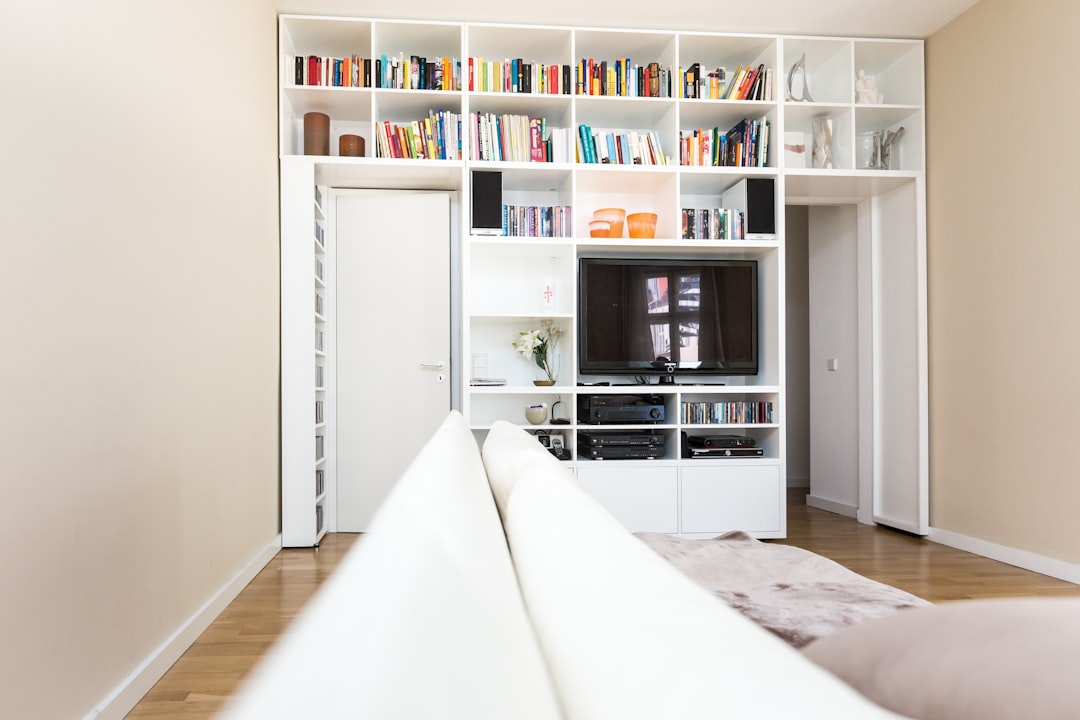
Install open shelves above door frames, couches or kitchen counters. Taller shelving units draw the eye up and store seasonal items, spare linens, or boxes you use rarely. In a studio or narrow living room, place a tall, slim bookcase rather than a short wide one to preserve floor depth.
2. Turn dead space behind doors into storage
Over-the-door organizers work in bathrooms, pantries and bedrooms for toiletries, cleaning supplies, or shoes. Slim pocket organizers and hooks can add dozens of pockets for small items without obstructing traffic.
3. Maximize under-bed space with low-profile bins
Under-bed storage is prime real estate for out-of-season clothes, extra bedding and rarely-used gear. Choose shallow, wheeled bins to slide easily, or use vacuum bags for soft items. If the bed sits low, consider a raised frame to create more capacity.
4. Replace chairs with storage ottomans or benches
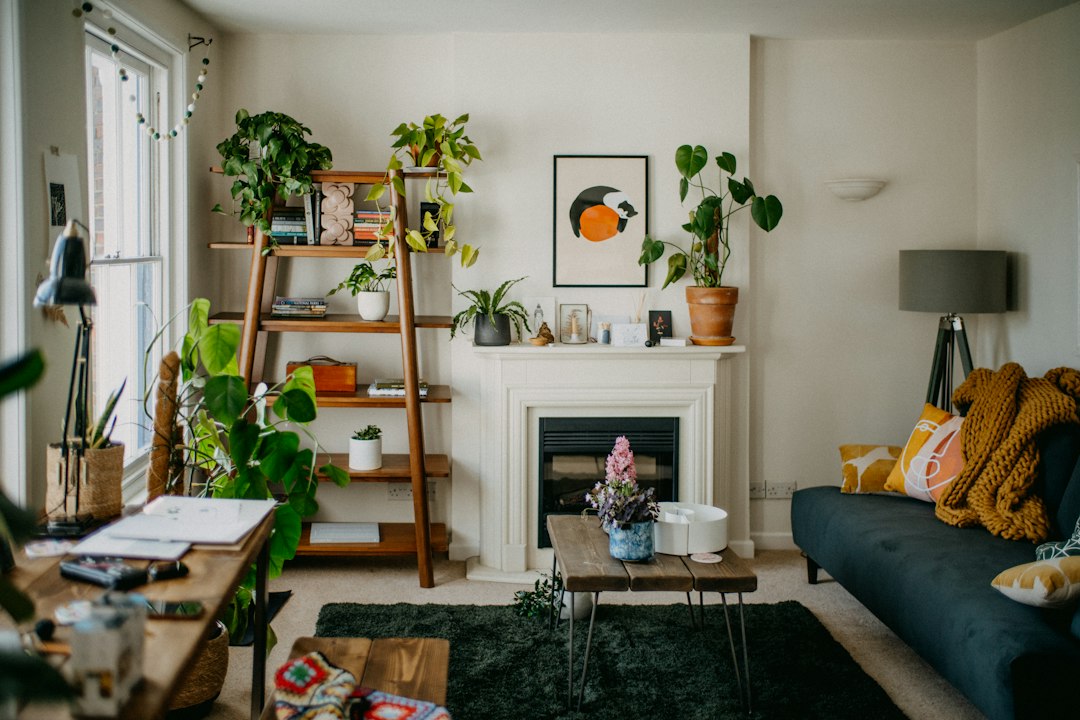
Swap a bulky chair for a storage ottoman in the living room or entryway. These provide seating, hidden space for blankets or shoes, and a surface for trays—eliminating the need for an extra side table or bin. Choose a model with a removable lid and sturdy interior if you’ll store heavy items.
5. Use multi-functional furniture in small areas
Consider fold-down desks, murphy beds, nesting tables, and sofa beds when you need an office, guest room and living space in one. Multi-use furniture often costs more upfront but saves on buying separate pieces and keeps rooms flexible.
6. Build pockets in closets: vertical organizers and clear bins
Closet chaos often comes from mixed-size items. Add hanging shoe organizers, clear stackable bins and labeled baskets to create micro-zones: footwear, accessories, seasonal wear, and laundry. Leave a slim aisle or rotating hook for daily coats to keep things accessible.
7. Keep the kitchen efficient with wall and door-mounted solutions
In small kitchens, free counter space by mounting a magnetic strip for knives, hanging pots and pans, or adding a rail with hooks for utensils. Narrow rolling carts or a slim pantry tower can tuck into gaps next to appliances for spices and canned goods.
8. Make a habit of small daily decluttering
Ten minutes a day prevents small items from migrating into permanent clutter piles. Quick rules: one new item in = one old item out, and always return items to their "home" before bed. Small cleanup habits multiply the value of any storage you install.
9. Choose clear or labeled storage for small items
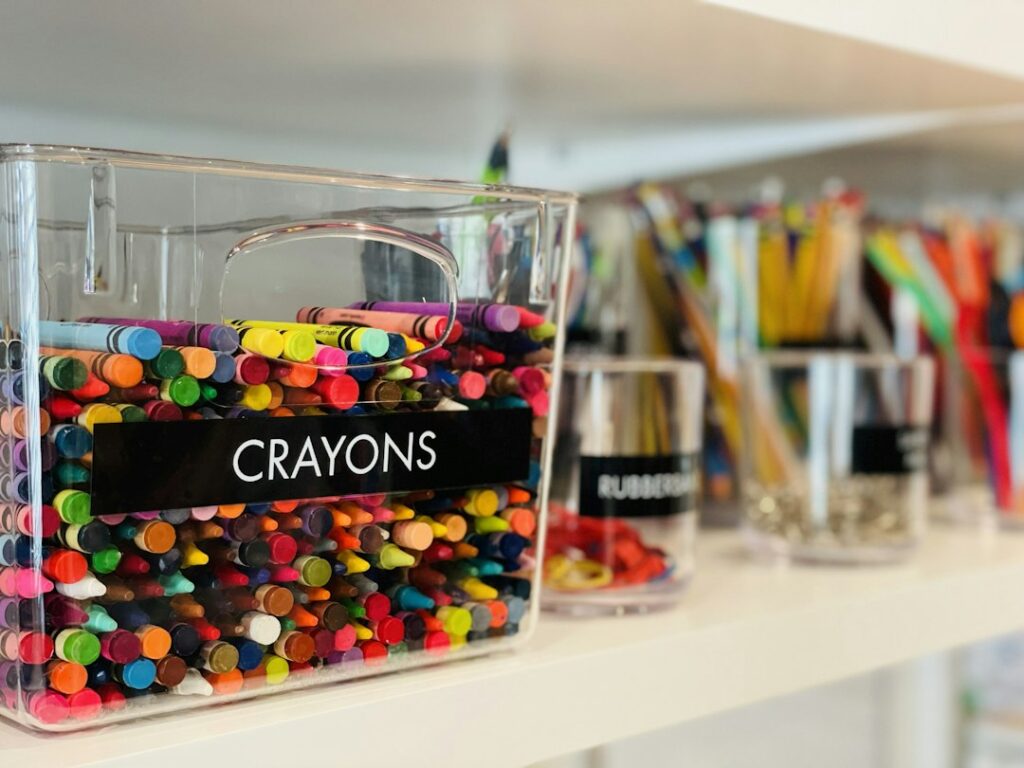
Transparent bins, jars and labeled baskets reduce time hunting for things and stop duplicate purchases. Use uniform-sized containers where possible to stack easily and visually balance shelves. Labels can be simple—masking tape and a marker—or preprinted tags for a neater look.
10. Prioritize one smart purchase that solves your biggest pinch
Identify the single place that causes the most mess—is it shoes in the entry, cluttered under-sink cabinets, or overflowing pantry shelves? Invest in the right organizer for that spot first; the payoff is immediate and encourages further improvements.
Why this shoe rack is a good first buy
If entryway mess is your main problem, a slim multi-tier shoe rack organizes footwear without a bulky console. The model above fits narrow hallways and uses vertical space so you can remove stray shoes from the floor quickly.
- Measure width, depth and height of the target area.
- Decide what will be stored and how often it needs access.
- Choose one visible and one hidden storage solution per room.
- Pick containers in uniform sizes for easy stacking and labeling.
- Trial small hooks/baskets before committing to fixed shelving.
For limited-space homes, focus on vertical, hidden and dual-purpose storage first. Tackle the single worst spot with a targeted purchase, then reinforce new habits with clear containers, daily decluttering and multi-functional furniture.
How do I choose between open shelving and closed storage?
Open shelving is best for frequently used items and to create visual openness; closed storage hides mess and is better for irregularly shaped items or when roommates/guests use the space.
What’s the best way to store seasonal clothes in a small apartment?
Use vacuum storage bags or clear under-bed bins labeled by season, and rotate twice a year—this keeps off-season items out of the way while freeing closet space for current use.
Are over-the-door organizers sturdy enough for heavy items?
They’re best for lightweight to medium-weight items. For heavier loads, choose organizers that distribute weight across the door or install screw-mounted racks into studs.
How do I make rental-friendly permanent changes?
Use damage-free hooks, tension rods, and freestanding units. For more permanent shelving, get landlord permission or choose removable rails that leave minimal marks.
Which room should I tackle first?
Start with the entryway or kitchen—clearing these high-traffic zones has an outsized effect on how tidy the whole home feels.