Wishlist

Start with the result you want: a low-effort closet that stays useful
To keep closets organized you need a system that reduces decision points and makes the easy choice the correct one. The goal isn’t perfection—it’s predictable places and quick habits so you don’t need weekly overhauls. Below is a practical sequence to set up a closet once and maintain it with minutes a week.
1. Commit one clear purge session and define what stays
Reorganizing fails when you simply move clutter around. Spend one focused session—90 minutes for a small closet, up to half a day for a large one—to remove everything you don’t wear or use. Sort into three piles: keep, donate/sell, and unsure. For the unsure pile, box items with a dated reminder (90 days) and if you haven’t used them by then, they go.
Decision rule examples: toss items that don’t fit, donate duplicates, and keep only shoes you wear in the current season plus two specialty pairs. Simple rules make future decisions automatic.
2. Create three functional zones that match how you use the closet
Design your closet around daily routines, not visual symmetry. Typical zones that work in almost every closet:
- Everyday zone (eye level): daily clothing, frequently used shoes, and accessories you grab each morning.
- Occasional zone (higher shelves or back): seasonal garments, formalwear, extra bedding.
- Utility zone (floor or low shelves): shoe storage, laundry basket, donation bin, and bulky items.
Label the zones initially until they become habit—labels reduce the “where does this go?” hesitation that causes clutter to accumulate.
[having image markers later per rules]3. Choose scalable organizers that match the items, not just the space
Pick containers and organizers that are sized for what you actually own. Clear bins for accessories, open baskets for scarves, and uniform slim hangers for clothing reduce visual clutter and make capacity obvious. Prefer adjustable or modular pieces so you can reconfigure as needs change—this avoids future reorganizing when life shifts.
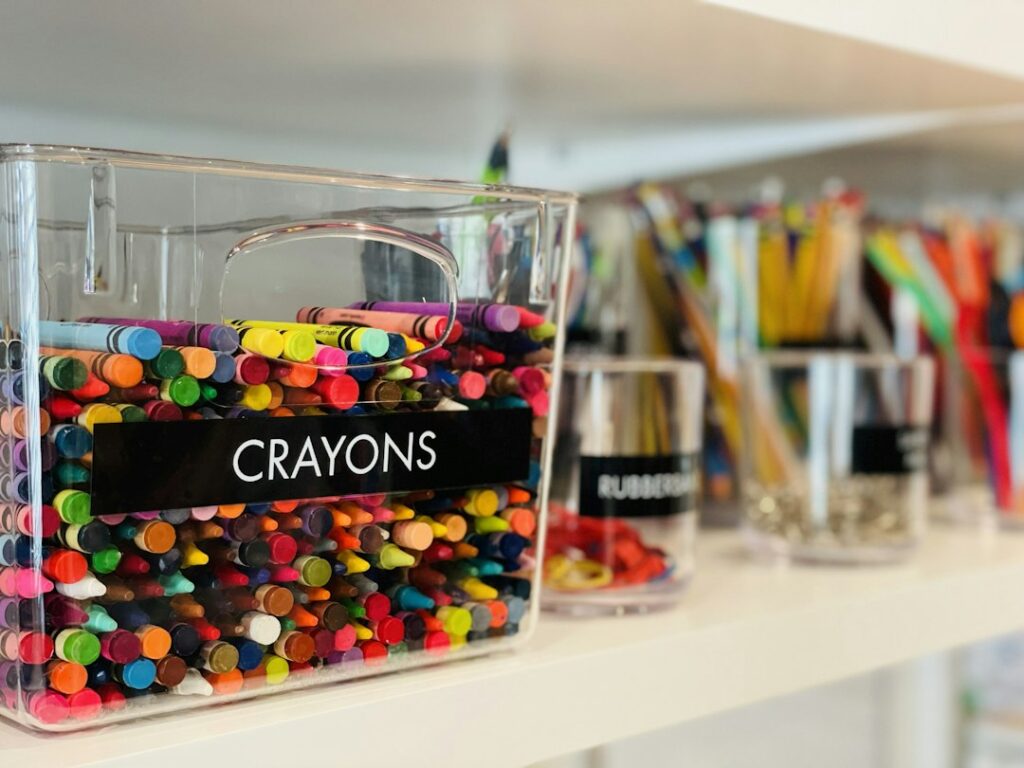
Product suggestion when you need sturdy, visible storage: use clear plastic bins for folded items so you can see contents and stack them without guessing.
4. Make clothing visible and consistent to simplify choices
Visibility reduces unnecessary rifling. Use these tactics:
- Uniform hangers and grouping by type (shirts, pants, jackets) speed outfit selection and show empty space.
- Fold heavy knits on shelves rather than hanging them to preserve shape; stack in clear bins to avoid toppling piles.
- Keep similar items together and limit each subgroup to a realistic number (for example, 8 casual shirts, 6 work blouses).
5. Control shoes and small items with purpose-built solutions
Shoes and small accessories are the most frequent sources of clutter. Pick one approach per closet: a slim vertical shoe rack for many pairs, a single tote for out-of-season shoes, and small divided trays for jewelry and belts. Over-the-door or hanging organizers work when floor space is limited.
6. Schedule a short weekly reset and tiny daily habits
Instead of long reorganizing days, spend five minutes each day and 20 minutes weekly:
- Five-minute nightly habit: return one outfit or accessory you left out.
- Weekly reset (15–20 minutes): refold any messy stacks, return shoes to racks, and empty the donation bag.
These micro-actions prevent messy build-up and keep habits anchored without big time investments.
7. Rotate seasonally using lightweight systems, not deep moves
Seasonal rotation is best when it’s simple: store off-season clothes in labeled bins or vacuum bags on a high shelf or under bed. Keep one box for "maybe" items—this is where the earlier 90-day rule helps. Keep the number of rotation boxes small; too many boxes mean you’ll stop rotating and revert to clutter.
Troubleshooting: why closets drift and how to fix it
Common causes of drift and quick fixes:
- Too-many categories: consolidate—if you can’t name a distinct use, merge it into a larger group.
- Overflowing storage: reduce incoming items. One-in-one-out rule for new purchases prevents slow creep.
- No easy donation path: keep a small donation bag in or near the closet and schedule monthly drop-offs.
When to upgrade organizers or call it done
If you still spend more than 10–15 minutes daily managing a closet after following the steps above, one of three things is true: the storage doesn’t match the items, you own more than the space allows, or your routines aren’t established. Start by measuring the problem—count overflowing items—and either move items elsewhere, invest in a better organizer, or tighten your purge criteria.
Quick reference checklist to act on now
- Hold a single purge session and box unsure items with a 90-day deadline.
- Create three zones: everyday, occasional, and utility.
- Choose visible, modular organizers sized for the items you own.
- Adopt a 5-minute nightly return habit and a 20-minute weekly reset.
- Keep one donation bag in or near the closet and empty monthly.
One thorough setup plus small, repeatable habits beats frequent reorganizing. Make easy choices obvious: limit quantities, use visible storage, and create routines. If space still feels tight, prioritize purge or invest in a single well-matched organizer rather than many small fixes.

How often should I declutter my closet?
Do a major declutter once per year and use the 90-day box method for uncertain items between purges. Minor maintenance should be weekly and daily as described.
What’s the best way to store seasonal clothes?
Use labeled clear bins or vacuum bags stored on high shelves or under bed; keep only a small "maybe" box to avoid hoarding.
How do I stop shoes from piling up?
Assign one shoe solution—vertical rack, under-shelf cubbies, or a single translucent bin per season—and limit pairs to a practical number based on lifestyle.
Are labels really necessary?
Yes—labels remove hesitation about where to return items and speed the learning curve for household members.
What organizer should I buy first?
Start with clear storage bins for folded items or a sturdy shoe rack depending on what creates the most visible mess; the clear bins recommended above are a practical first purchase.