Wishlist

Answer first: small, focused changes make your home feel cozy fast
To make your home cozy and welcoming, start with warm layered lighting, soft textiles, intentional scent, and a clear, welcoming entry. These moves work together: lighting sets mood, textiles invite touch, scent triggers comfort, and an organized entry communicates hospitality.
Why these four areas matter
“Cozy” isn’t a single product — it’s a combination of sensory cues. Light influences mood immediately; textures affect how you physically relax; scent and sight (an uncluttered, inviting entry) decide whether a space feels cared-for. Focus on these four and you’ll see more comfort without a major makeover.
Layer lighting for warmth and flexibility
Replace harsh overhead bulbs with warm (2700K–3000K) bulbs and aim for multiple light sources per room: one overhead, one task, one accent. A floor lamp or a pair of table lamps creates pools of light that feel intimate and flexible.
Quick wins: swap to warm LED bulbs, add a dimmer to the main light (even a simple plug-in dimmer works), and place lamps near seating and corners. Avoid single bright fixtures that cast flat light across the whole room.
Invite touch with textiles and layers
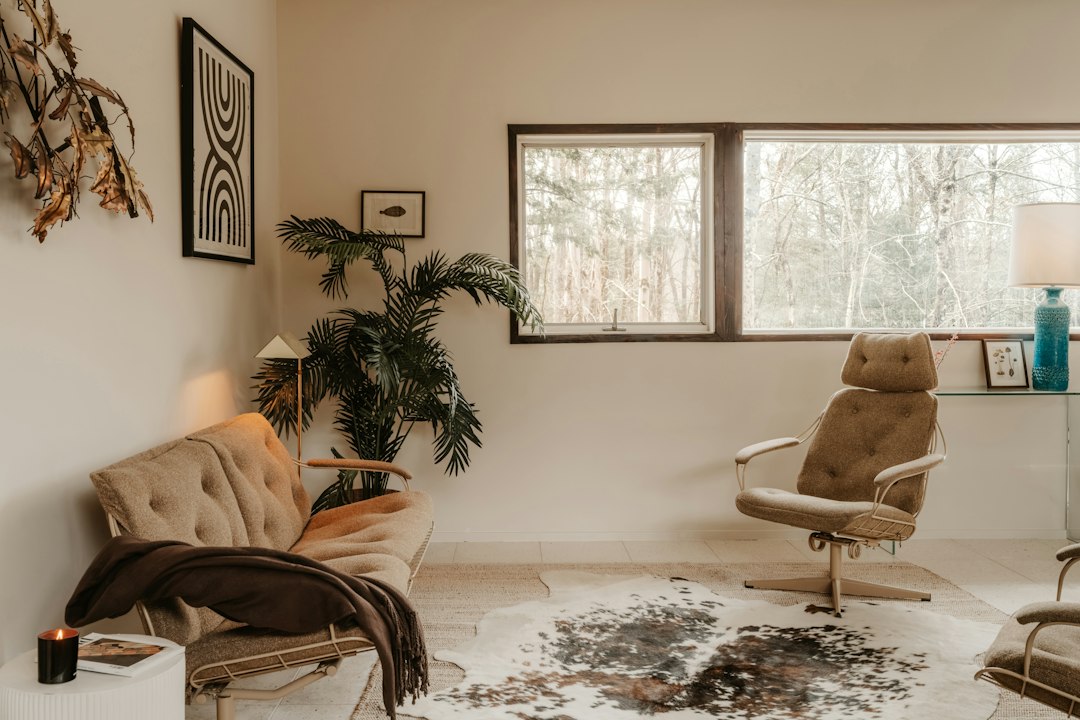
Soft materials make a space feel lived-in. Add a throw blanket on the sofa, an extra cushion or two with different textures (linen + knit), and a plush rug underfoot in high-traffic seating areas.
Practical choices: use natural fibers where possible (cotton, wool) for breathability; mix patterns and solids to keep visuals calm; keep throws folded in a basket for an intentionally casual look.
Make scent part of your welcome
A subtle, consistent scent signals cleanliness and calm. Use a reed diffuser, a small plug-in warmer, or a candle lit when guests arrive. Choose a simple scent family—linen, cedar, soft citrus, or vanilla—and keep it light so it doesn’t compete with food or perfume.
Design a quick welcoming entry
First impressions count. Clear a 3–5 foot zone where people arrive: a doormat, a small tray or bowl for keys, a hook for coats, and a place for shoes or a basket. Add a small lamp or a wall sconce and a mirror to brighten and visually enlarge the space.
If you lack floor space, a slim shelf and a vertical set of hooks make the same impact. Keep seasonal items limited—too many extras feel cluttered, not cozy.
Arrange furniture to encourage conversation and comfort
Move seating into a loose circle or facing pair rather than pushing everything against walls. Create a small focal point—coffee table, stack of magazines, or a fireplace—to anchor the group. Leave 18–30 inches between seating and the coffee table for comfortable reach.
Smaller rooms: angle a chair into the room or use a light ottoman as an extra surface; larger rooms: create two distinct seating areas to avoid empty, impersonal space.
Use color and art to lower visual stress
Calmer wall colors—muted blues, warm greys, soft greens, or warm neutrals—make spaces feel restful. If repainting isn’t an option, add framed prints, a gallery wall, or large art that uses those tones. Keep art at eye level and group smaller pieces so they read as one object from a distance.
Bring in living elements—plants and natural materials
One or two healthy plants add life and improve perceived airiness. Choose low-maintenance varieties (pothos, snake plant, ZZ) if you forget watering. Natural wood bowls, wicker baskets and stone or ceramic planters reinforce a cozy, grounded vibe.
Control clutter without sterilizing the space
Cozy ≠ cluttered. Adopt a “soft edit”: keep surfaces mostly clear but display a few meaningful objects—family photos, a favorite vase, a small stack of books. Use concealed storage (baskets, ottomans with lids) for everyday items and tidy quickly before guests arrive.
Make comfort choices for everyday life
Small investments pay off: a supportive, comfortable chair near a lamp creates a reading nook; non-slip rugs make bare floors feel warmer; seasonal swap of bedding (flannel in winter, lighter cotton in summer) adjusts comfort without constant fuss.

Product suggestion: if you want a warm floor lamp that instantly changes a room’s ambiance, consider a retro-style floor lamp with warm LED bulbs and a dimmer for flexible mood control.
- Swap harsh bulbs for 2700K–3000K warm LEDs and add at least two lamps to living areas.
- Add a throw and an extra cushion per seating spot; keep extras in a basket.
- Create a clear 3–5 ft entry zone with mat, key bowl and hooks.
- Choose one subtle scent (reed diffuser or candle) for common areas.
- Place one plant in a visible room and one textured rug near seating.
- Declutter surfaces; keep 3–5 meaningful objects out as focal points.
Focus on sensory cues, not perfection: warm layered lighting, inviting textiles, an organized entry, and subtle scent create a cozy home quickly. Implement these in stages—lighting and one textile change first—to see immediate impact.
How quickly can I make a home feel cozier?
Many changes—lighting swaps, a couple of throws, and a diffuser—can be done in an afternoon with minimal cost and effort.
What scent works best for making a home welcoming?
Choose a light, familiar scent such as linen, soft citrus, cedar, or vanilla; avoid heavy or complex blends that can overwhelm guests.
How do I make a small space feel cozy without cluttering it?
Use scale (small furniture), one rug to define the area, a single lamp, and a folded throw in a basket—less visual noise, more intentional warmth.
Are plants necessary to achieve a cozy feel?
No, but plants add life and texture; if you prefer low-maintenance options, choose hardy varieties like snake plant or pothos.