Wishlist
Quick answer: small changes that define zones and clear clutter will make kitchen tasks faster and less frustrating
To make your kitchen more functional, focus first on workflow — create clear zones for prep, cooking, cleaning and storage, then reduce friction with targeted storage upgrades (drawer organizers, pull-out shelves), a few high-impact tools, and habits that keep surfaces usable. The rest of this article shows practical swaps, placement rules and product suggestions so you can apply each idea in minutes or a weekend.
Design the workflow: map three feet at a time
Think about how you move during the three main activities: food prep → cooking → cleanup. A functional kitchen puts frequently used items inside the reach of the corresponding zone. Walk through a typical dinner: where do you take ingredients from, where do you prep, what stove/bake space is used, and where does dirty cookware go? Adjust nearby storage so each step is under a 3–6 foot reach when possible.
Practical example: place cutting boards, knives and measuring spoons in the cabinet or drawer closest to your main prep counter. Keep pots and spatulas near the stove and dish soap/brushes under the sink next to the dishwasher or drain area.
Clear countertops without losing convenience
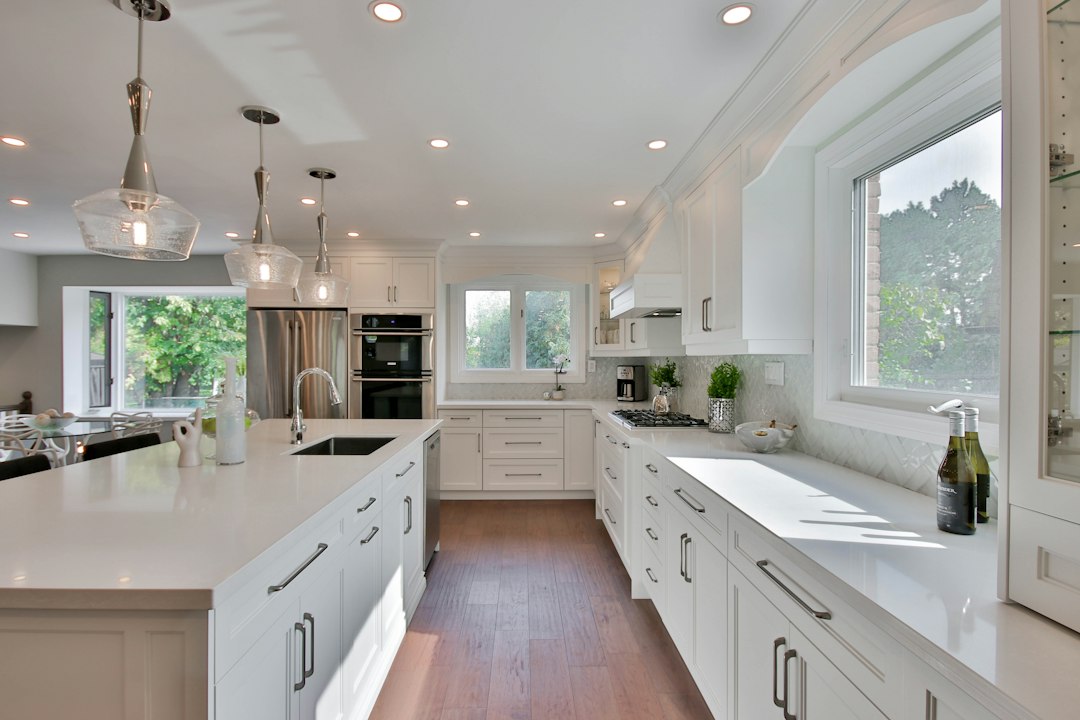
Counter space equals working room. Remove non-essential small appliances and give each remaining device a home. If you use the toaster only for weekends, store it in a lower cabinet. Invest in a small appliance garage (a simple roll-top shelf) or dedicate one cabinet to daily appliances.
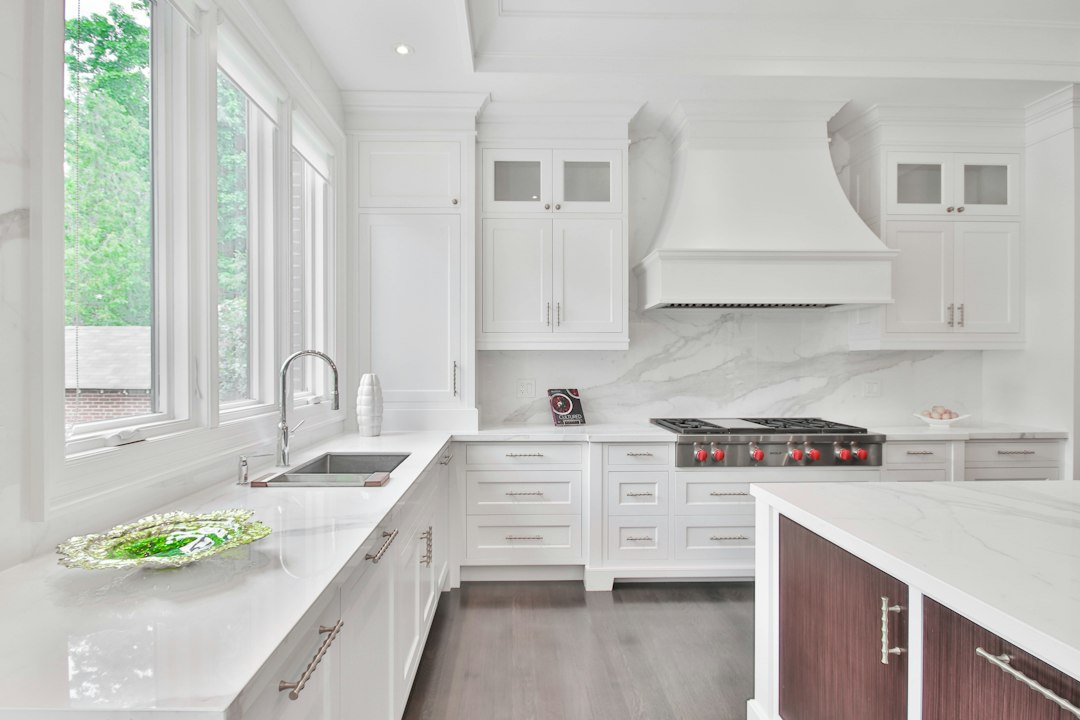
Also adopt “one-in/one-out” for decorative items: keep only the items you use weekly on the counter. Use a single tray or shallow bin to corral salt, oil and frequently used spices so they look tidy and are easy to move when you need the whole surface.
Upgrade three storage elements that deliver the most value
- Drawer organizers: A proper utensil tray or segmented organizer turns a junk drawer into fast-access gear. Group tools by task (baking, cooking, serving).
- Pull-out shelves or lazy Susans: These make deep cabinets usable — no more digging at the back for a stock pot or baking pan.
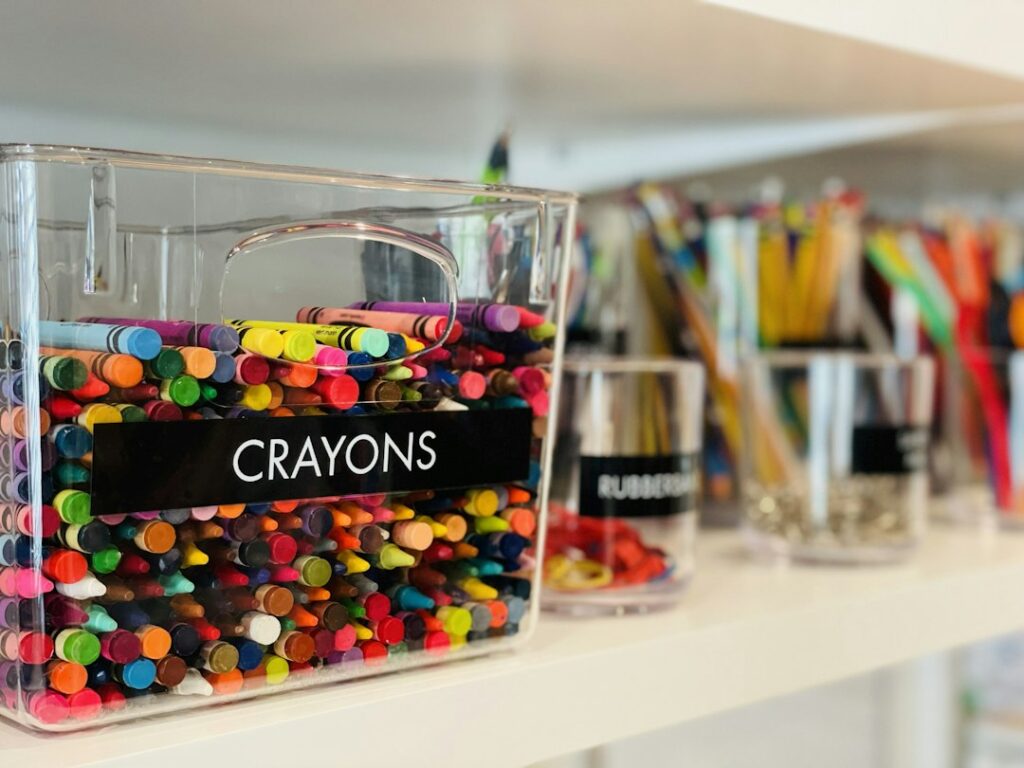
- Clear containers and labels: Uniform, stackable containers in the pantry visually reduce clutter and speed ingredient finds.
Small investment, big returns: you’ll waste fewer minutes searching and have fewer duplicate purchases because you can actually see what you own.
Use vertical space for frequently used items
Install magnetic strips for knives, pegboards for utensils, or a hanging pot rack to free cabinets. Vertical storage keeps essentials visible and reduces time spent opening doors. Reserve wall-mounted or hanging solutions for items you use several times a week — there’s no point hanging an occasional holiday pan.
Make drawers work: store by use, not by type
Instead of grouping everything by type (all spatulas together), store by task: breakfast drawer (spreader, small spatula, pancake turner), baking drawer (measuring cups, silicone spatula), and so on. That reduces cross-kitchen trips when you’re mid-cook.
Place one high-impact product where it helps most
If utensils are always scattered, a single well-designed utensil set can replace mismatched tools and fit a holder or drawer neatly. A top-ranked silicone utensil set offers durability, nonstick-safe heads and uniform storage dimensions, which makes organizing easier.
Optimize the pantry for frequency and visibility
Group like with like and move the most-used items to eye level. Keep baking supplies on one shelf, snacks on another, and everyday grains/legumes at reachable height. Use clear containers for flour, sugar and rice — the instant visibility prevents overbuying.
Tip: store extras and bulk items on a high shelf or a separate closet; keep pantry shelves dedicated to what you reach for in a week.
Short cuts for cleaning and maintenance
Make cleanup part of the workflow: keep a small caddy with dish soap, a scrubber, and disposable cloths under the sink so you can quickly wipe counters as you go. Wipe-and-put-away habits (two minutes after cooking) prevent clutter accumulation and maintain usable work surfaces.
Lighting and touchpoints: see what you’re doing
Good light makes a kitchen more functional: under-cabinet LEDs on your prep surfaces, task lighting above the stove, and a central light for overall visibility. Even budget stick-on lights can reduce mistakes and speed tasks because you can find items faster and check doneness without bringing food closer to a window.
Small layout tweaks that matter
If remodeling isn’t on the table, small changes still help: move the knife block closer to the prep area, rotate frequently used cookware to the front of lower cabinets, and add a slim rolling cart between counters as a temporary landing space for groceries and prep bowls.
Put reusable systems in place
Label zones with a simple list on the inside of a cabinet door (prep tools, baking tools, snacks) for everyone in the household. Use a weekly restock routine — 10 minutes every Saturday to tidy the pantry, clear counters, and reassign items — so small clutter never grows into big reorganization projects.
When to hire help or invest more
If your layout forces long walks between sink, stove and fridge (the classic triangle is broken), consider professional input: a kitchen designer can suggest moving appliances or reconfiguring cabinets. For most people, however, the tips above deliver substantial functional gains without construction.

Making your kitchen more functional is mostly about reducing friction: fewer steps, clearer visual cues, and homes for everyday tools. Start with the workflow map, clear one counter, and add one storage upgrade — momentum builds from small wins.
- Map your prep → cook → clean workflow and move nearest tools into reach.
- Clear one countertop of non-essential appliances and group essentials on a tray.
- Add a drawer organizer and a pull-out shelf for deep cabinets.
- Switch pantry staples to clear, labeled containers and place daily items at eye level.
- Install one vertical storage solution (magnetic strip, pegboard or pot rack).
- Create a 10-minute weekly tidy routine to maintain gains.
Focus on workflow and visibility first: arrange items where they’re used, reduce countertop clutter, and add a few targeted storage upgrades. These changes are low-cost, fast to implement, and immediately reduce time and frustration in everyday cooking.
How do I decide what belongs on the countertop?
Keep on the countertop only what you use at least twice a week; everything else belongs in a cabinet, pantry or appliance garage.
Are pull-out shelves worth the cost?
Yes for deep or low cabinets: they turn hard-to-reach corners into usable space and save time digging for pots and pans.
What’s the easiest upgrade for a better workflow?
Move prep tools (cutting boards, knives, measuring cups) to the area you actually use for chopping and mixing — it’s a minute to relocate and saves multiple trips while cooking.
Can I improve function without replacing appliances?
Absolutely — better storage, zoning, lighting and habit changes often deliver more practical day-to-day improvement than a new appliance.