Wishlist
Most people don’t wake up wanting a cleaner, smarter and more organized home — they want mornings that run smoother, fewer missing keys, and less time spent searching for things. The practical path there is rarely dramatic: small, consistent choices that match your space and habits. This guide answers the questions beginners actually ask and gives the concrete next steps to make the place work for you.
What to do first: a quick, one-hour declutter that actually helps
If you’re overwhelmed, start with a focused 60–90 minute session in one small zone: an entryway, a single closet, or the top of the dresser. The goal is decision momentum, not perfection. Use three boxes or bags — Keep, Donate/Sell, Trash — and set a timer for 20–25 minutes per pass.
- Keep: items you used in the past month or that clearly belong in that spot.
- Donate/Sell: duplicates, unworn clothes, or things you’d replace for free.
- Trash: broken items, expired goods, or paperwork you no longer need.
Finish by putting the Keep items back neatly (use a temporary basket if you need to sort later). This fast win reduces visual clutter and shows you how much space you really have.
Choosing storage that fits your habits and space
Storage is only useful when it matches how you use items. Before buying bins or organizers, answer: How often do I need this? Where is the natural place I look for it? How much vertical or underused space do I have?

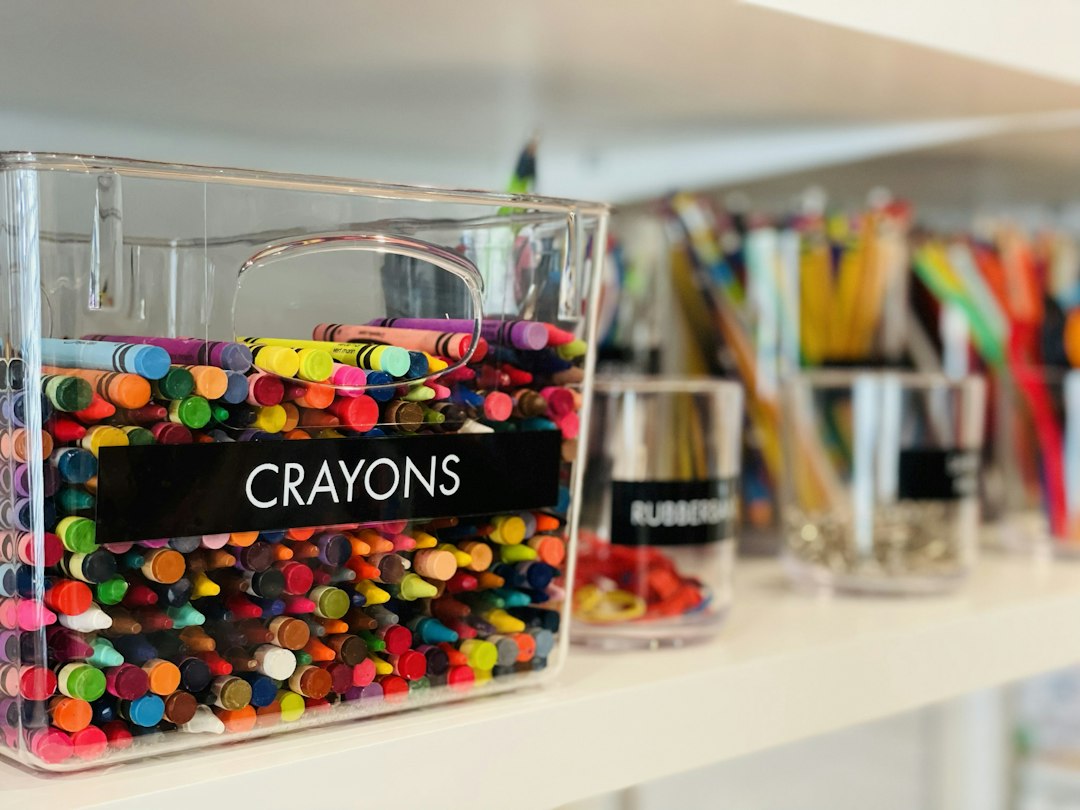
- Everyday items: store at eye level in clear or labeled containers for quick access.
- Occasional-use items: use higher shelves or opaque boxes labeled by category.
- Small items: group in small bins or drawer dividers so they don’t migrate.
For kitchens and pantries, consider an over-the-door rack to use door space without construction. For tricky under-sink plumbing, a tiered under-sink organizer makes chemicals and sponges visible and easy to retrieve.
The Kitstorack Under Sink Organizer (ID 4759) is a practical first buy: its three-tier design expands capacity while leaving room for plumbing. Use it for cleaning supplies and small tools to clear countertops and cabinets.
Build a simple cleaning and maintenance routine you’ll keep
Long-term tidiness beats episodic deep cleans. Create a 10–15 minute daily reset plus two weekly tasks:
- Daily reset (10 minutes): clear surfaces, load the dishwasher, start a load of laundry if needed, and do a quick sweep of high-traffic areas.
- Weekly deepers (pick two short tasks per day to avoid burnout): vacuum or mop one floor, declutter mail and surfaces, clean bathrooms, and restock pantry staples.
Put these on a visible checklist or your phone’s calendar. If you have a partner or roommate, assign specific tasks by day — responsibility beats assumption.
Where smart home technology makes a real difference — and where not to bother
Smart devices are most useful when they remove a repeat annoyance. Good beginner-friendly additions:
- Smart plugs or a smart speaker for scheduled lighting and timers (helps routines and hands-free control).
- A simple smart thermostat for automatic temperature schedules that reduce fiddling.
- Smart locks or a video doorbell if you frequently receive packages or worry about security.
Avoid splurging on gadgetry that solves a problem you don’t have. For example, a multi-hundred-dollar robotic vacuum can be helpful in a single-person household but is less useful if pet hair and high-traffic dirt require daily hands-on cleaning anyway.

Practical storage choices room-by-room
Entryway: create a command center with hooks, a small shelf or basket for everyday items, and a dedicated shoe spot. This prevents the “dump pile” that eats floor space.
Kitchen and pantry: prioritize visible storage for frequently used foods; keep rarely used appliances behind doors. Use clear bins for groups (baking, snacks) and an over-the-door rack for extra vertical space.
Bathroom: corral toiletries in small baskets or a rotating caddy. Store backups (toilet paper, toothpaste) in a labeled bin above eye level.
Closets: declutter seasonally and store off-season clothes in labeled boxes. For small items, drawer dividers and small clear bins keep things visible and accessible.
[h3]Small decisions that prevent clutter from returningAdopt a one-in, one-out rule for clothing or hobby supplies you’re actively maintaining. Use inboxes or “command” trays for daily paper, and schedule a 10-minute weekly paper purge. Labeling isn’t just tidy — it speeds returns and discourages the “put it anywhere” habit.
- Pick one zone for a 60-minute declutter session.
- Measure shelves and cabinet depths before buying containers.
- Choose one small smart upgrade that solves a current annoyance.
- Create a 10–15 minute daily reset and put it on your calendar.
- Buy a three-tier under-sink organizer if cabinet plumbing limits storage.
Cleaner, smarter, and more organized homes start with small, repeatable actions: declutter a single zone, match storage to use, and keep a short daily routine. Invest in one well-chosen organizer and one sensible smart device rather than a big overhaul.
How often should I declutter?
Do a quick pass every 3 months for closets and cupboards, and a short monthly check of high-clutter spots like entryways and kitchen counters.
Are clear bins better than opaque ones?
Clear bins let you see contents quickly, which helps with frequent-use storage; opaque bins are fine for long-term or infrequently accessed items.
Which room benefits most from a smart device first?
Start with the living area or entry — a smart speaker or smart plug for lights and timers simplifies routines and provides immediate convenience.
How do I keep flat surfaces from filling up again?
Give every frequently used item a home (basket, tray, or drawer) and use a 10-minute nightly reset to return things to their places.