Wishlist
Start from the result: a kitchen that stays presentable with short daily actions
You want a kitchen that rarely needs marathon cleaning sessions—just 10–15 focused minutes most days to keep surfaces tidy, dishes under control and trash from overflowing. The trick isn’t doing more cleaning, it’s changing small behaviors, the kitchen layout, and what tools you use so dirt never gathers into a time-consuming problem.
Adopt a simple daily rhythm that prevents mess from growing
The most reliable way to keep kitchen cleaning light is a predictable three-part routine you can do in 10–15 minutes: wipe, dish rhythm, and tidy. Do these once after dinner or right after your main meal, and they stop small messes from becoming big ones.
1. Wipe in two passes (30–90 seconds)
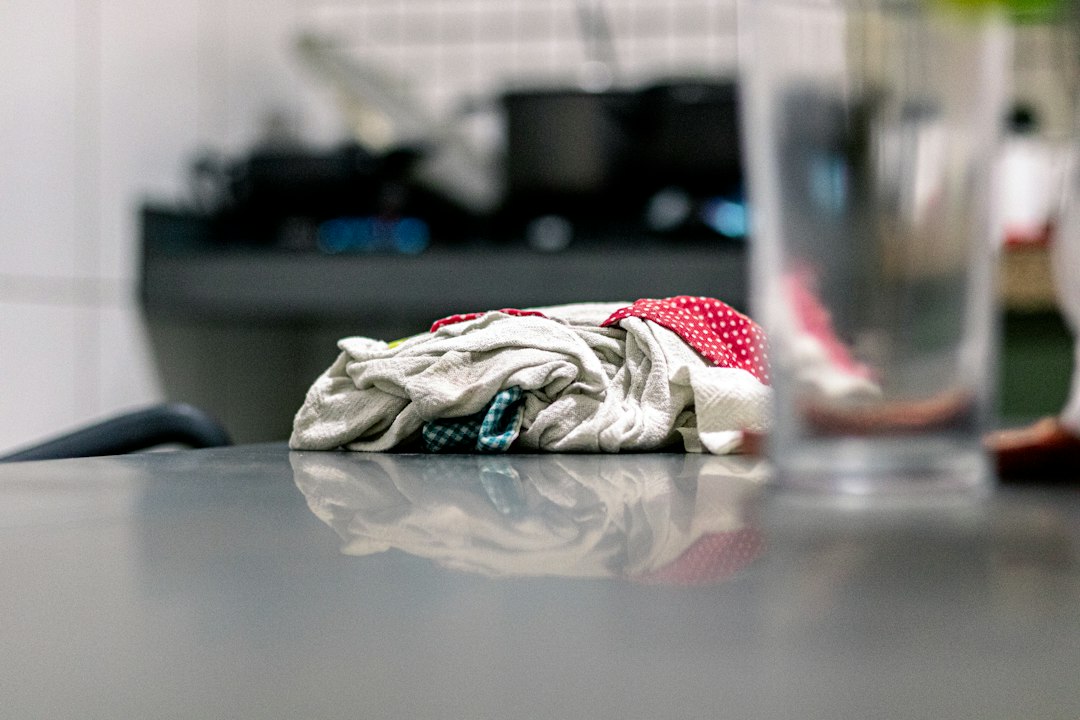
Keep a spray bottle and microfiber cloth near the main prep area. First pass: immediate wipe of spills and crumbs after cooking or eating. Second pass: quick sanitizing wipe across high-touch zones (stove knobs, faucet handles, countertop near stove). Microfiber lifts grease and dries quickly, so you don’t need elbow-grease scrubbing later.
2. A reliable dishwashing rhythm (5–8 minutes)
Empty and run the dishwasher when it’s full. If you hand-wash, clear a 3–5 minute slot to wash, rinse, and stack or dry. Avoid leaving pans soaking overnight—soaking shifts a small job into a large one. If you cook multiple dishes, rinse pans and utensils between steps so they don’t pile in the sink.
3. Quick pickup and trash check (2–4 minutes)
Do a 60–90 second scan: clear counter clutter back to designated spots, wipe visible crumbs, and take out full or smelly trash. A small countertop compost/trash container for food scraps makes it faster to collect and empty when cooking ends.
Set up the kitchen so cleaning is the path of least resistance
Most small kitchens are messy because use and storage are mismatched. Reorganize so the most-used items are easiest to return.
- Group like with like: keep daily plates, cups and utensils in the most accessible cabinets or drawers near the dishwasher or sink.
- Create a “landing zone” by the sink for dirty dishes and a separate small tray for items that need handwashing.
- Place cleaning supplies where you’ll actually use them—under the sink isn’t helpful if the main mess is on an island counter. A small caddy with spray, cloths and sponge is more likely to be used.
- Limit counter items to 3–5 essentials (coffee maker, knife block, fruit bowl). Everything else should have a home in a cabinet or drawer.
Tools and small purchases that reduce daily effort
One well-chosen tool can cut daily work. For most kitchens, a good set of easy-to-clean utensils and a microfiber cloth system deliver the most value.
If you want one product that reduces washing and speeds cooking, choose silicone utensils: they resist staining, don’t trap food, and are dishwasher-safe. For a reliable all-purpose option, consider this kitchen utensil set which replaces worn wooden spoons and flimsy plastic tools while being easy to clean.
When to do deeper cleaning so it doesn't interrupt your week
Short daily maintenance should reduce how often you need full cleanings. Plan two deeper sessions:
- Weekly (30–45 minutes): wipe cabinet fronts, clean microwave interior, sweep and mop the floor, empty crumb-trapping areas (toaster tray, under the oven door).
- Monthly (45–90 minutes): degrease range hood, descale kettle, clean behind appliances, and reorganize a single drawer or cabinet.
Keep these tasks on a simple calendar—knowing you only tackle them weekly or monthly makes daily upkeep feel manageable.
Troubleshooting common obstacles
“I always forget the wipe.”
Attach the habit to something you already do: wipe immediately after you clear plates or while a pot simmers. Use a visible caddy and an accessible spray bottle so there’s no friction.
“My family doesn’t do their part.”
Make responsibilities explicit and frictionless: give kids one simple task (stack plates into the dishwasher) and label where things go. A small reward chart or a 5-minute family cleanup timer after dinner can help habits stick.
“I don’t have storage space.”
Eliminate duplicates and use drawer organizers or vertical risers. If space is very tight, keep only essentials on counters and rotate seasonal cookware into storage elsewhere. For more space-smart ideas see our guide on kitchen storage ideas.
Small behaviors that add up (and what to stop doing)
- Start: rinse as you go; put utensils in the dishwasher instead of a junk drawer; wipe spills immediately.
- Stop: leaving dishes overnight; using paper towels for everything; keeping open containers of dry goods on the counter.
Finish: keep this practical checklist nearby
Spend a day implementing the rhythm and layout tweaks, then follow the 10–15 minute routine daily. Within a week you’ll notice fewer scrubs and a calmer space overall.

- Wipe high-use countertops after each meal with spray + microfiber
- Run or empty the dishwasher when full; rinse pans between uses
- Do a 60–90 second pickup and trash check after cooking
- Keep a cleaning caddy within reach of your main prep area
- Limit countertop items to essentials only
A short, consistent after-meal routine plus one or two layout changes prevents mess from multiplying. Invest in easy-to-clean tools, keep cleaning supplies accessible, and schedule small weekly tasks so deep cleaning never becomes a huge chore.
How long will the daily routine take?
About 10–15 minutes total: 1–2 minutes wiping, 5–8 minutes for dishes, 2–4 minutes for a quick tidy and trash check.
What if I don’t have a dishwasher?
Rinse and wash immediately after meals; use a compact drying rack and try to batch similar items for faster washing—this keeps dish time small and predictable.
Which surfaces need daily wiping?
Focus on food prep counters, stove surround, faucet handles and the table—high-touch and food-contact surfaces are the priority for daily wipes.
Can I skip weekly deep cleans?
Not indefinitely—weekly tasks prevent grease and grime buildup that make cleaning take longer later. Even a 30-minute weekly session keeps the kitchen manageable.
What’s the easiest change that saves time?
Adopting a wipe-as-you-go habit and storing daily dishes within arm’s reach of the dishwasher or sink are the fastest wins.