Wishlist
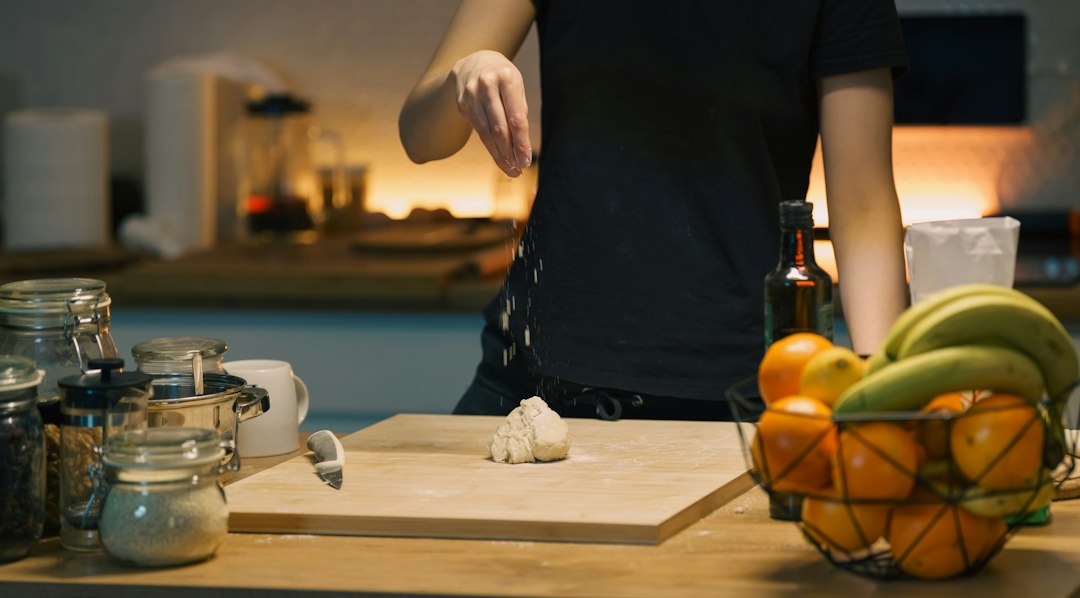
A sink full of dishes by bedtime? Start with one small visible win
It’s 9 p.m., you’re tired, and the kitchen looks like a small hurricane went through it. The difference between waking up to a tolerable space and another night of dread is not a three-hour scrub—it's a set of simple habits you do regularly. These habits stop messes from compounding, cut weekly chores in half, and keep cleaning from becoming an all-or-nothing panic. Below are 12 practical routines arranged in a realistic daily flow so you can pick what fits your life and skip the rest.
Morning: set the tone in five minutes
A quick morning reset prevents late-day messes from rooting in.
- Make the bed immediately. A made bed reduces visual clutter and takes 60–90 seconds. It also signals your brain the house is in order.
- Empty the bathroom counter. Put one extra used item (toothbrush, towel) back where it belongs. Wiping the counter with a disposable wipe takes a minute and prevents toothpaste rings from hardening.
- Start a load of laundry if needed. Doing one short load early keeps laundry from piling into a multi-hour job later.
Noon or after-work: clear the high-traffic zones
Target the places that accumulate most quickly—kitchen, entryway, and living room.
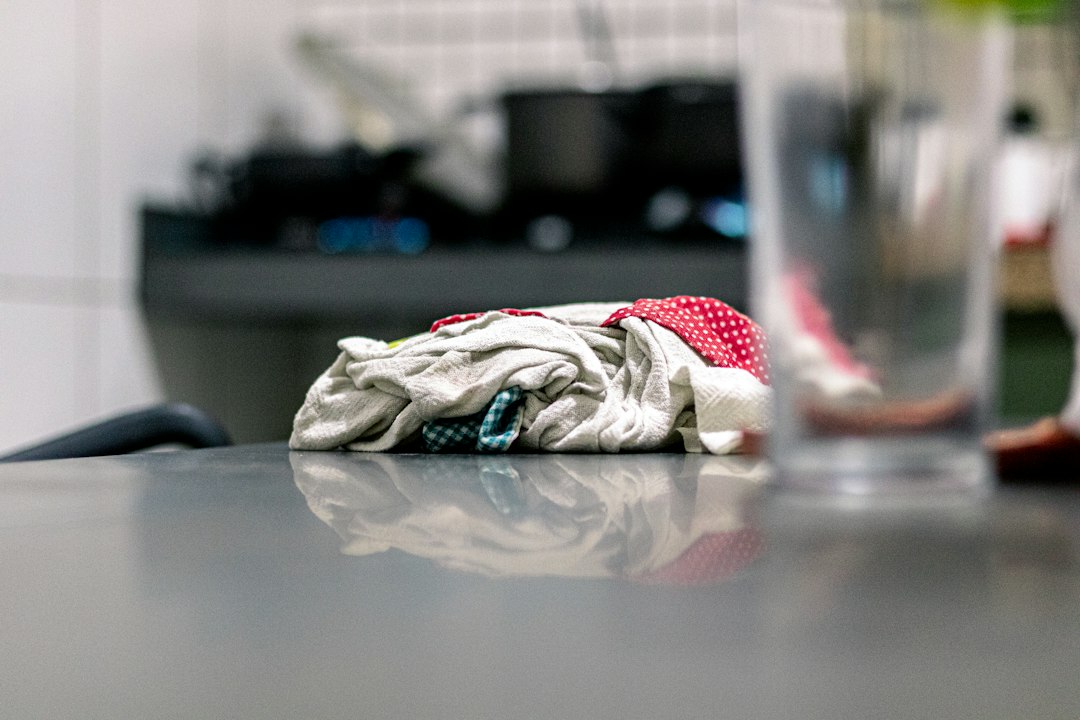
- Kitchen 2-minute wipe-down after meals. Keep a spray bottle (all-purpose or diluted vinegar) and a microfiber cloth under the sink. Wiping counters and stovetop after cooking prevents baked-on food.
- Adopt a shoe drop zone at the door. A simple rack or basket keeps outdoor dirt contained and makes sweeping the entryway fast.
- Quick tidy basket for communal clutter. Keep a lightweight basket by the couch for mail, chargers, and stray items; empty it into proper homes when convenient.
Evening: small rituals that keep mornings easy
End-of-day habits shave time from weekend deep cleaning.
- Do a 10-minute surface sweep. Set a timer and walk each main room with a basket, returning items to their places. Timeboxing makes the task faster and less daunting.
- Wash or load dishes after dinner. Leaving dishes in the sink invites bugs and odors; a single quick wash or loading the dishwasher avoids buildup.
- Wipe bathroom surfaces after use. Keep a squeegee or small towel in the shower to remove excess water from glass and tiles—this prevents soap scum and mold.
Weekly habits that prevent big jobs
These are short chores that, when scheduled, keep deep cleaning manageable.
- Vacuum high-traffic areas twice weekly. A lightweight cordless stick vacuum makes quick passes easy—no lugging a heavy unit. If you need one, consider the top-ranked option for convenient daily use.
- Declutter one small zone each week. Focused 20–30 minute sessions (a drawer, a shelf, a bathroom cabinet) prevent large-scale purges later.
- Clean fridge spills and toss expired food weekly. This prevents smells and reduces the need for a major fridge scrub.
The cordless vacuum recommendation above is useful if you want a single tool to speed weekly pickups: it’s light enough for quick passes and strong enough for stubborn crumbs, making habit-based upkeep realistic.
Smart tweaks that multiply your effort
- Use bins and labels for toys and pet items. Containing things visually reduces time spent hunting and returning items.
- Keep cleaning supplies where you use them. A small caddy under each sink or a spray bottle in the laundry room cuts the friction of starting a task.
- Layer textiles thoughtfully. Use machine-washable rugs and throw covers so spills and dirt are solved by a quick wash, not a dry-cleaning ordeal.
Where to simplify rather than add steps
Each habit above earns its place because it prevents a larger future task. Avoid these common over-complications:
- Don’t aim for perfection every day; focus on visibly used surfaces.
- Skip multi-product regimens—one good all-purpose cleaner and microfiber cloth cover most jobs.
- Automate what you can: scheduled laundry days, a robot vacuum for nightly touch-ups, or a subscription for cleaning supplies reduces decision fatigue.
Make these habits stick: a simple start-plan
Pick three habits that solve your biggest everyday pain—most people benefit from the bed-making, kitchen wipe-down, and a cordless vacuum for quick pickups. Practice them consistently for two weeks, then add a fourth habit if it feels sustainable.
- Make your bed each morning.
- Wipe kitchen counters after meals.
- Empty one laundry load per day or every other day.
- Keep a shoe zone at the entry.
- Do a 10-minute nightly tidy with a basket.
Small, repeatable habits prevent mess from multiplying and cut the time needed for weekly cleanups. Pick a few that solve your worst pain points, use simple tools located where you need them, and build gradually.
How long will these habits take each day?
Most people can maintain the core set—bed, kitchen wipe, 10-minute tidy—in 10–20 minutes total daily; add spot tasks as needed.
Which habit makes the biggest difference first?
Wiping kitchen surfaces after use prevents most odors and staining and reduces time spent on deep kitchen cleaning later.
Are cordless vacuums worth it for habit-based cleaning?
Yes—light cordless stick vacuums lower the activation energy for quick pickups, making regular vacuuming more likely.
How do I keep kids and roommates on board?
Assign one small daily task per person (e.g., mail sorting, toy pickup) and use a shared checklist or short timer-based challenges to make it routine.