Wishlist
What really matters — and what you can ignore
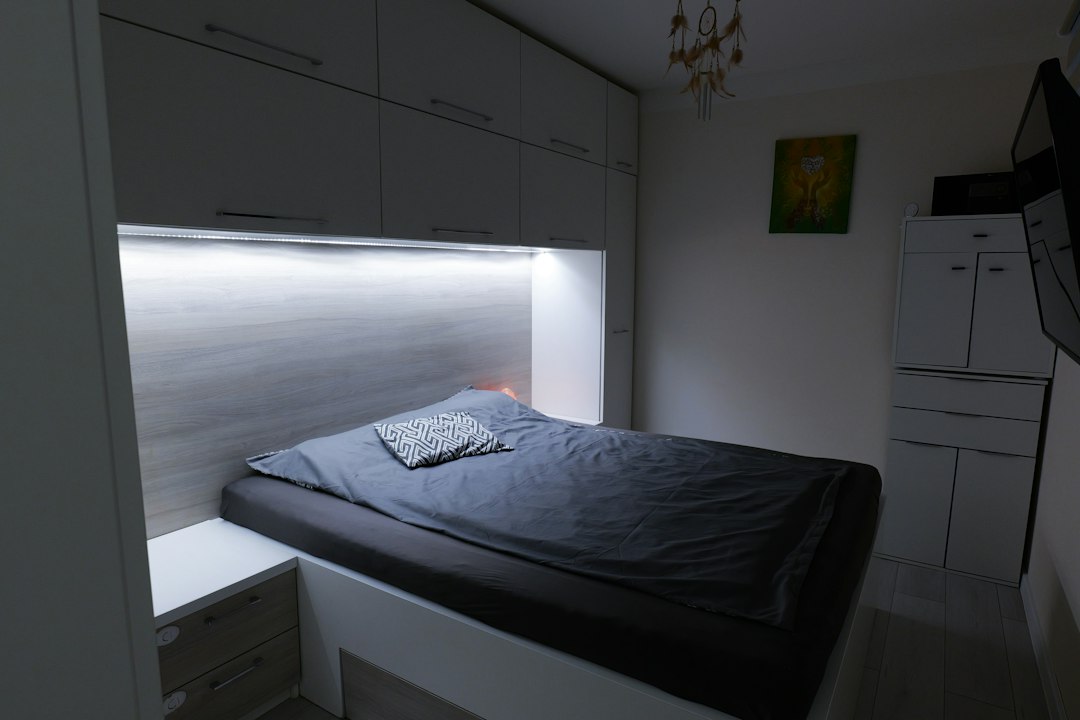
When you want to organize a small bedroom, the goal is usable floor space and reduced visual clutter. Ignore trends like perfectly styled decor or buying matching furniture sets; those don’t improve daily function. Focus instead on three things: remove things you don’t use, reclaim vertical space, and choose pieces that serve more than one purpose.
Quick wins: 10 easy swaps that free up space fast
- Clear the floor first — put shoes, laundry baskets and spare boxes into temporary bins and decide what stays.
- Switch to a slim, tall dresser rather than a short wide one to free floor area and add vertical storage.
- Use under-bed storage bins or rolling drawers for out-of-season clothes, extra bedding or shoes.
- Hang an over-the-door organizer for shoes, accessories or small items to free closet shelves.
- Replace a bedside table with a floating shelf to keep floor space visible and easier to clean.
- Install a few floating shelves near the bed for books and small items instead of a bulky bookcase.
- Corral small items with baskets or clear bins so surfaces look intentional rather than messy.
- Use multi-functional lighting (clip lamps or wall-mounted sconces) to avoid bedside table lamps taking up space.
- Limit decor to one or two pieces on visible surfaces — too many small items makes a small room feel chaotic.
- Adopt a weekly five-minute tidy routine: put things back in their containers and make the bed.
Map your room: a short planning exercise that saves time
Before buying storage, take 10 minutes: measure the room, draw a simple rectangle, and mark door and window swings and the closet opening. Note which wall(s) get natural light and which areas must remain clear for movement. This map will stop you from buying items that don’t fit or block circulation.
Use vertical storage to regain floor space
When square footage is limited, think up. Install floor-to-ceiling shelving or a narrow tall dresser to move storage off the floor. A lofted bed or high bed frame can create a full storage zone underneath or even a small workspace.
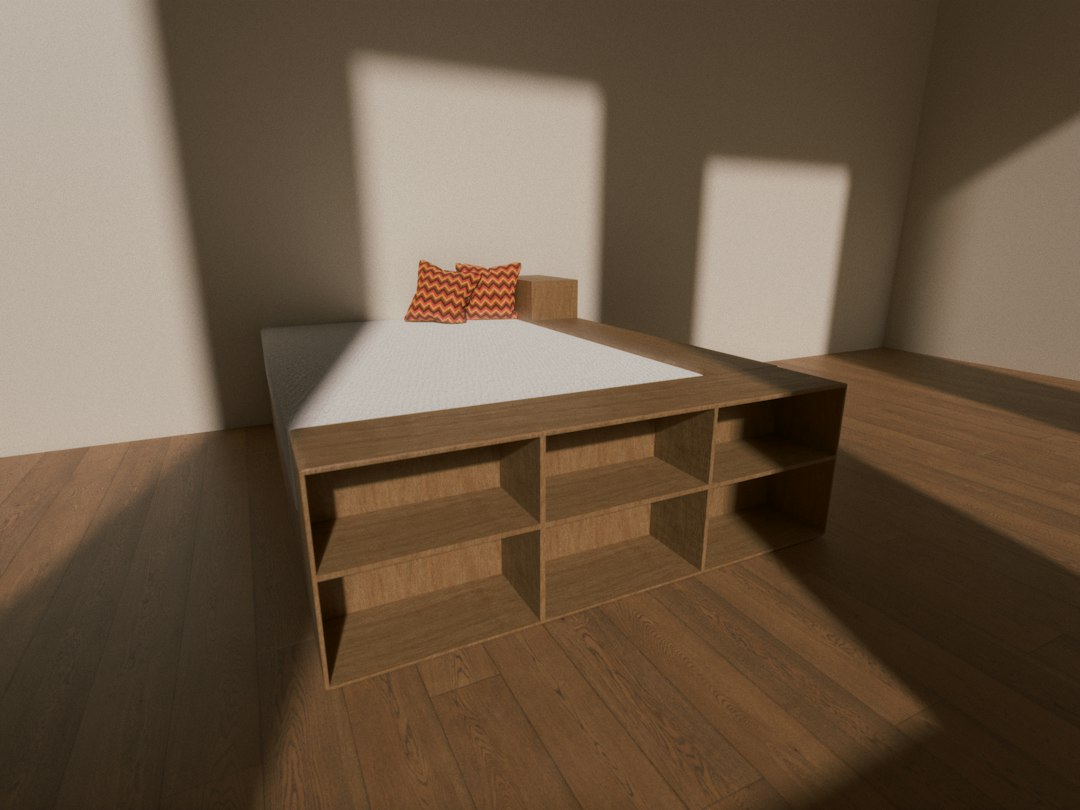
Trade-off: taller units reduce visual openness if they block light. Keep shelving low on the window wall or choose open shelving to maintain brightness.
Under-bed storage: what to store and how to pick containers
Under the bed is often wasted space and ideal for bulky but infrequently used items. Store seasonal clothes, spare bedding and shoes in shallow clear bins or labeled fabric drawers. Choose wheels if you need regular access; use slim boxes if your bed frame hangs low.
Tip: Leave a 2–3 inch clearance under the bed for airflow and easier sliding; if your bed is too low, consider short risers to gain that space.
Closet hacks that make a small closet feel larger
Inside a small closet, maximize usable area by adding a second hanging rod, slim hanging organizers for folded items, and clear drawer dividers for smaller accessories. Use matching hangers to reduce bulk and free a surprising amount of space.
When closet space isn’t enough, move lesser-used items to a dresser or storage bench and keep daily items at eye level.
Furniture that pulls double duty
Choose pieces that serve two or more functions: a storage ottoman for seating and linens, a bed with built-in drawers, or a narrow console that doubles as a vanity. If you need a shoe solution, the LANTEFUL Shoe Rack with Covers (tall, slim profile) is ideal for stacking footwear without taking wide floor space.
Why this helps: multi-use furniture reduces the number of pieces you need, which is the single best way to open floor area.
Arrange for flow, not symmetry
In a small room, strict symmetry (two nightstands, matching lamps) often wastes space. Prioritize pathways: keep at least 24–30 inches of unobstructed path from the bed to the door. If needed, swap one nightstand for a wall-mounted shelf or narrow rolling cart that tucks away.
Create visual space with color and texture
Light, neutral walls and a single accent color make a room feel larger. Limit heavy patterns to one area (a bed runner or a rug) so the eye has rest. Use reflective surfaces sparingly—a mirror positioned to catch light expands perceived space more effectively than metallic finishes.
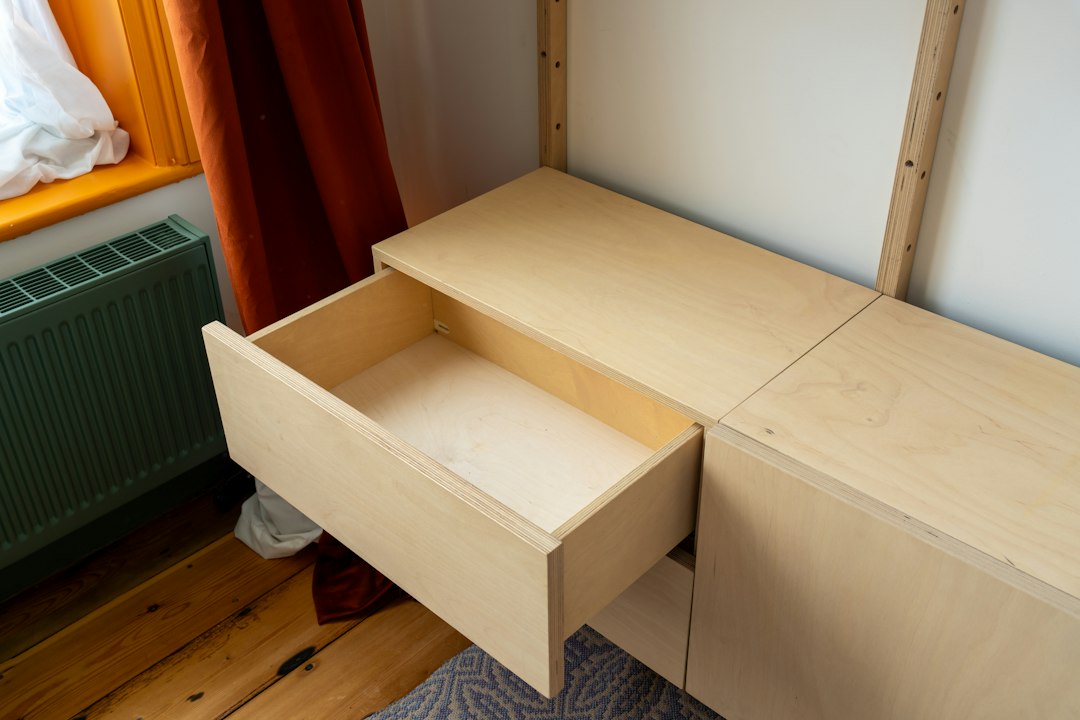
Storage for small items — make every drawer count
Drawer dividers and clear plastic trays turn messy drawers into organized systems. Keep everyday small items in front and less-used in the back. Clear labeling helps you maintain the system.
When to call a bigger change: signs you need different furniture
If more than half your storage is filled with items you use less than twice a year, or if you’re constantly rearranging just to fit through the room, it’s time to swap furniture. Look for taller, narrower pieces and multi-functional beds or benches to reclaim usable floor area.
Final decision: one sensible next step
Pick the single change that will matter most based on your map: if the floor is cluttered, add under-bed storage or a storage bench; if the closet is overloaded, add a second hanging rod and slim organizers. Make that change first, then re-evaluate after two weeks.
- Measure room, doors and window placement before buying anything.
- Sort belongings into keep, donate, seasonal, and trash piles.
- Add vertical storage (tall dresser, shelves, or loft bed) to free floor space.
- Pick one multi-functional furniture piece to replace two single-use items.
- Use clear bins or dividers for under-bed and drawer storage.
- Establish a 5-minute daily tidy habit to maintain order.
Prioritize removing unused items, reclaim vertical and under-bed space, and choose at least one multi-functional furniture piece to free floor area. Make one targeted change first, then maintain the system with a short daily routine.
How do I maximize storage without making the bedroom feel crowded?
Choose vertical storage and open shelving to move items off the floor while keeping sightlines clear; limit surface clutter and use light colors to maintain an airy feel.
What should I store under the bed?
Store seasonal clothing, extra bedding, and shoes in low-profile clear bins or fabric drawers—items you don’t need daily but want easy access to.
Is a loft bed worth it in a small bedroom?
Yes, if ceiling height allows: a loft bed creates usable space underneath for storage or a small desk, but ensure it doesn’t block light or feel cramped vertically.
How to keep a small bedroom tidy long-term?
Adopt a simple routine—five minutes each morning to put away clothes and clear surfaces—and store items in clearly labeled containers so everything has a home.
What furniture should I avoid in a small bedroom?
Avoid wide, low dressers and multiple bulky pieces; they occupy more floor area. Opt for taller, narrower units and multi-functional furniture instead.