Wishlist
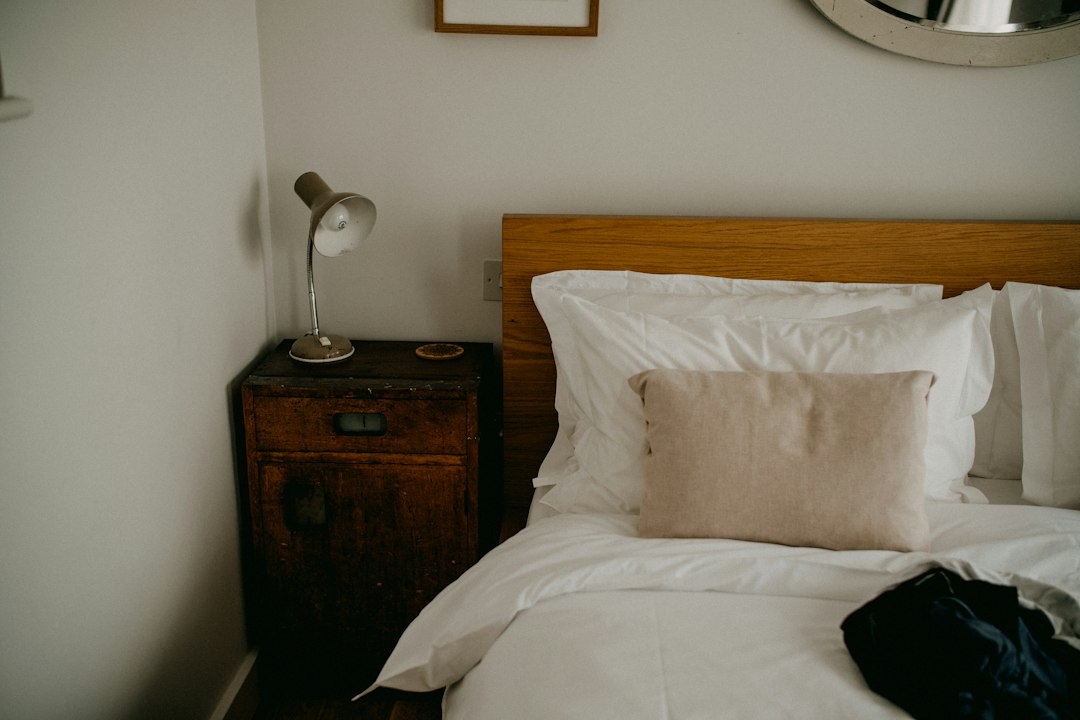
Start result: a noticeably cozier bedroom without spending much
Creating a comfortable bedroom on a budget means focusing where you feel everything most: the bed, the light, the temperature and the clutter that steals calm. Prioritize a better sleep surface and cozy textiles first, then layer lighting, sound and small finishes. Below is a practical, ordered plan you can follow with specific buys, DIY options and troubleshooting notes.
Upgrade the sleep surface affordably
The quickest perceived comfort boost is what you sleep on. If a new mattress is out of reach, choose one targeted change: a mattress topper or better pillows. A medium-thickness memory foam or fiber mattress topper evens out pressure points and feels like a new bed; a good pillow restores neck alignment and reduces morning stiffness.
When to pick a mattress topper: your mattress feels lumpy or you wake sore but the mattress still springs back and shows no major sag. When to replace the mattress: deep, permanent impressions or sagging that causes back pain.
Use a fitted mattress protector over a topper to keep it clean; breathable cotton protectors reduce heat buildup.
Budget choices and DIY
- Buy a 2–3 inch memory foam or shredded foam topper for a visible lift without full mattress cost.
- If temperature is a concern, choose gel-infused or latex alternatives; bamboo covers help with breathability.
- For a zero-cost tweak, rotate the mattress and add firm-then-soft pillow layering: place a supportive pillow beneath a softer one to tune loft.
Rethink bedding and textiles for comfort and value
Sheets, blankets and a well-chosen duvet dramatically change feel. Threadcount matters less than fiber and weave: long-staple cotton percale is crisp; cotton sateen is softer and warmer. Flannel is a seasonal low-cost upgrade for cold months.
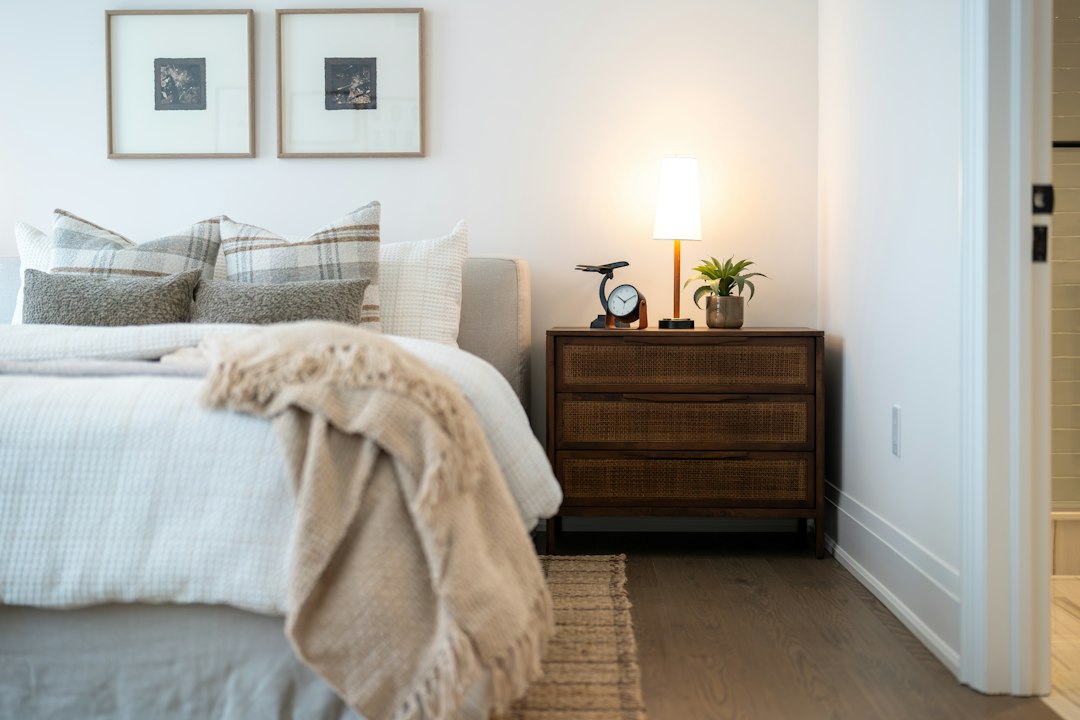
- Buy breathable sheets (cotton or bamboo blends) one size up if your current set feels tight—the extra give improves sleep feel.
- Add a lightweight throw at the foot of the bed for warmth and texture; it’s cheaper to swap a throw seasonally than a whole comforter.
- Replace worn pillowcases before the pillows themselves; new cases refresh feel and hygiene.
Fix light and glare without costly rewiring
Lighting changes affect comfort more than most people expect. Soft, layered light makes the room feel restful; bright, overhead light makes it functionally sterile.
- Swap harsh bulbs for 2700K warm LED bulbs and add a bedside lamp on a separate switch for reading or winding down.
- Install a dimmer switch or use plug-in smart bulbs or lamps if rewiring isn’t an option.
- Use inexpensive blackout or lined curtains to reduce morning light and improve sleep onset.
Temperature and noise: low-cost controls that actually work
Comfort is thermal and acoustic as much as tactile. Small changes go a long way:
- For heat: a box fan or inexpensive oscillating fan improves airflow; in winter, add a rug and a thicker throw to keep feet warm.
- For cold: layer flannel sheets or use a heated blanket with an auto-off for safe warmth.
- For noise: a white-noise machine app, a small fan, or a heavy curtain over the window can cut traffic sound more affordably than double-glazing.
Declutter and arrange for restful flow
Clutter raises cortisol. A few targeted edits create a calmer room without spending money:
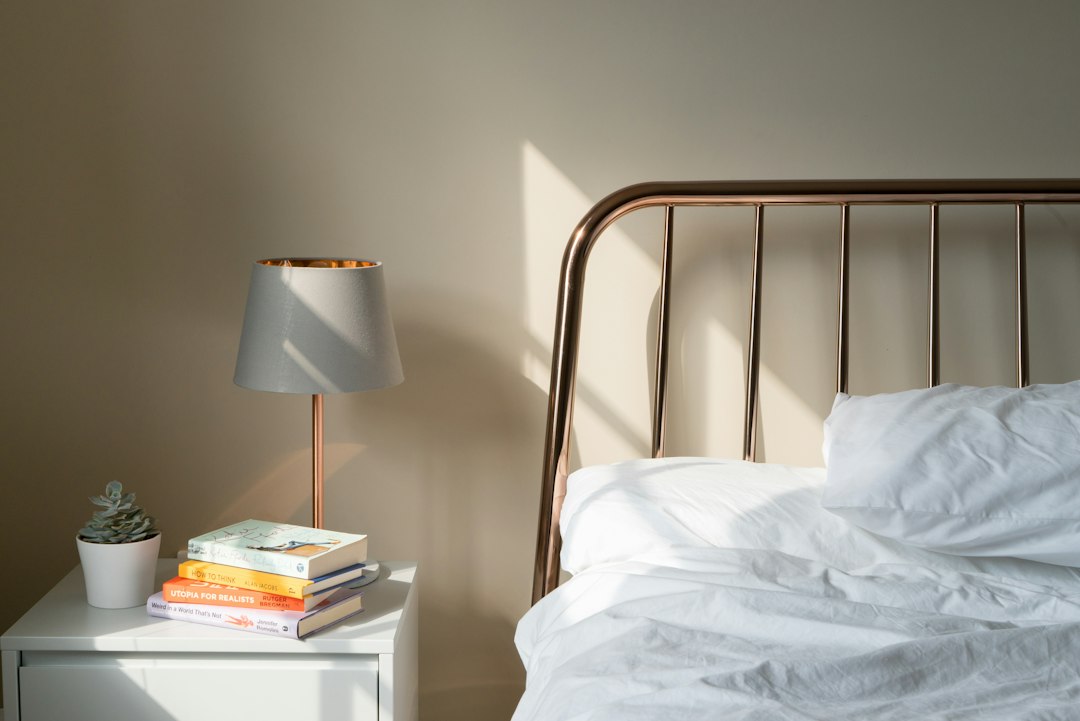
- Clear surfaces: keep only essential items on the nightstand (lamp, glass of water, a book). Store the rest in drawers or boxes.
- Furniture placement: position the bed so you see the door from the headboard but aren’t directly in line with it if possible—this small change improves perceived safety and rest.
- Use multifunction storage: baskets under the bed, a single shelf above the dresser, or hooks behind the door for frequent items.
Small decorative touches that add comfort for little money
Texture and scent can finish the room. Pick one or two of these inexpensive options rather than trying to overhaul everything:
- Add a soft area rug beside the bed so stepping into the room feels pleasant.
- Layer pillows—mix one supportive sleep pillow with a decorative lumbar cushion for daytime comfort.
- Introduce a calming scent (linen spray or a small diffuser) used sparingly; scent is powerful but subjective.
Troubleshooting: when a cheap fix isn’t enough
If you’ve tried toppers, new pillows and decluttering but still wake tired, narrow the problem with these checks:
- Allergies: persistent congestion may come from old pillows and mattress dust—wash covers, vacuum, and consider hypoallergenic protectors.
- Temperature regulation: if you’re repeatedly waking hot, choose breathable bedding and avoid down if you sleep hot.
- Chronic pain: try a firmer support layer or consult a clinician—some sleep problems need medical or ergonomic solutions beyond textiles.
- Decide mattress vs. topper based on visible sag and comfort.
- Replace worn pillows or layer supportive plus soft options.
- Swap harsh bulbs for warm LEDs and add a bedside lamp or dimmer.
- Add breathable sheets and a seasonal throw rather than a whole comforter.
- Reduce visible clutter: clear surfaces and add simple storage.
- Try a fan or heavy curtain for temperature and noise control.
You don’t need a full remodel to make your bedroom noticeably more comfortable. Invest first in the sleep surface (topper or pillows), then adjust lighting, temperature and clutter. Small, layered changes deliver the most consistent comfort gains.
Is a mattress topper worth the cost?
Yes, if your mattress is mostly intact but feels uneven or too firm; a good topper evens pressure and often feels like a new bed for a fraction of the cost.
How many pillows should I use for better sleep?
Most people sleep best with one supportive pillow that keeps the neck aligned; use extra pillows for daytime comfort or side-sleeping support as needed.
What lighting temperature is best for a bedroom?
Warm white light around 2700K is best for winding down; brighter, cooler light is fine for dressing or cleaning but avoid it at night.
Can cheap curtains improve sleep?
Yes—affordable blackout or lined curtains significantly reduce early-morning light and street glare, improving sleep continuity.
Where should I spend versus save?
Spend on the sleep surface (topper/pillows) and practical bedding; save on decorative items, lamps, and small storage solutions that can be swapped cheaply.