Wishlist
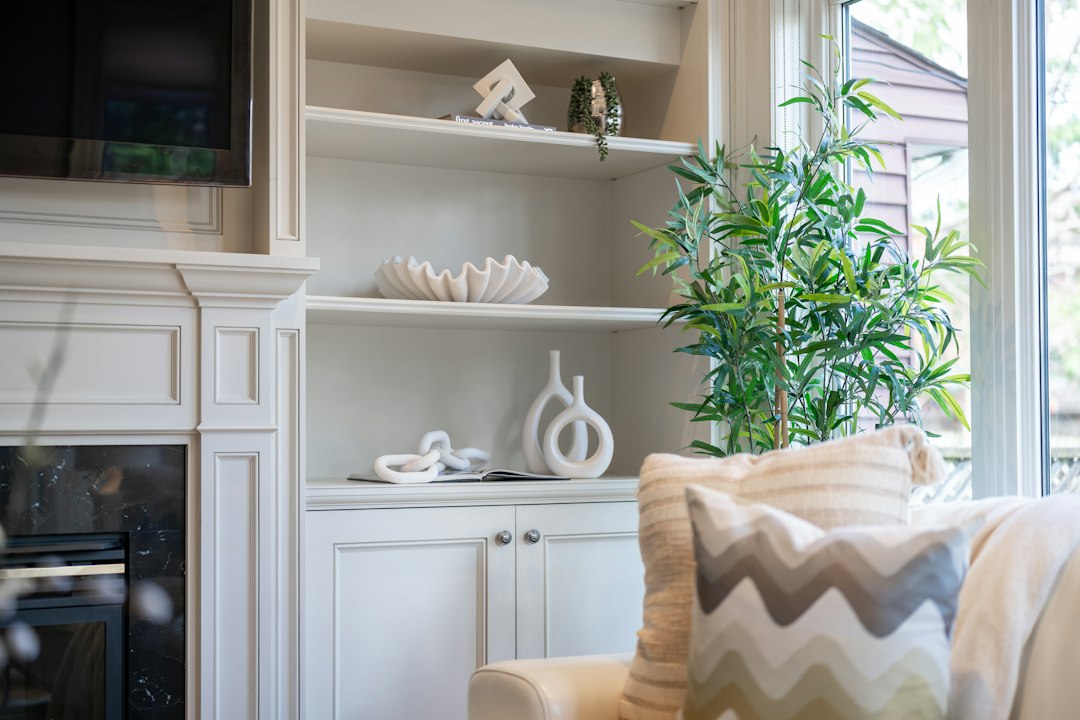
Start imagining the finished room: calm surfaces, one place for like items, and daily routines that keep it that way
Picture coming home to a living room where the coffee table is clear, shoes are by the door, and you can find the remote in under 10 seconds. That end result is what guides every choice below: decide what stays, where it lives, and a simple maintenance habit. Use the following room-by-room plan to get visible progress fast and avoid trading clutter from one pile to another.
How to declutter your home quickly and sustainably
The process is the same in every room: empty visible surfaces, sort into four piles (keep, relocate, donate/sell, trash), decide storage solutions, and set a 15-minute daily upkeep. Start with the room that frustrates you most—early wins motivate the rest.
Living room: clear surfaces, consolidate entertainment items
Why start here: it's where clutter most often accumulates and affects how your whole home feels. Goal: clear flat surfaces and create specific homes for common items.
- Empty coffee table, TV stand and shelving into a staging area. Handle each item once: keep, relocate, donate, trash.
- Group like items: remotes in a small tray, chargers in a single drawer, magazines in a single basket (keep only current issues).
- Use open baskets for toys or throws—they conceal without requiring folding skills. Reserve one shelf for decorative objects to avoid visual clutter.

Kitchen: clear counters, tame paper and gadgets
Focus: counters and the “paper zone.”
- Clear counters: only leave items you use daily (coffee maker, knife block). Everything else goes to relocate or donate piles.
- Paper triage: create an in-box for action, a file for keep, and a shred/donate pile. Process the in-box within 48 hours.
- Small appliances: evaluate frequency—if used less than once a month, box for seasonal storage or donate.
Bedroom: closet purge and a nightly reset
Goal: an easy-to-maintain wardrobe and a calm sleeping space.
- Use the three- or four-bin method: keep, mend, donate/sell, seasonal storage. Try clothes on quickly—if unsure, ask: have I worn this in 12 months?
- Implement a nightly five-minute reset: drop laundry in hamper, hang clothes used that day, clear surfaces.
- Consider uniform hangers, shelf dividers, or a slim three-tier organizer to reduce visual overwhelm and pack more efficiently.
Home office: reduce paper, create “action” zones
Goal: eliminate piles and create an easy filing habit.
- Sort paperwork into three piles: action (30 days), reference (keep in labeled folders), recycle/shred. Scan important documents if you prefer digital storage.
- Clear desktop to essential items: monitor, keyboard, one pen cup. Use vertical file holders for current projects.
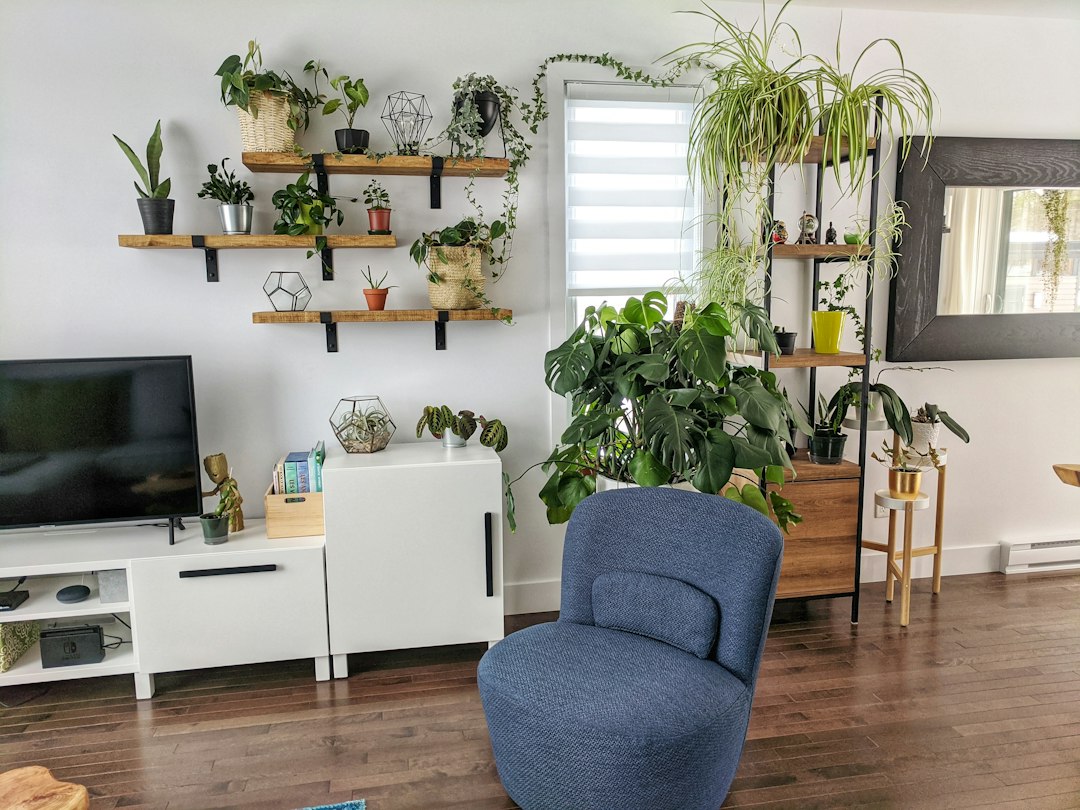
- For extra storage, a compact bookshelf like a slim three-tier unit keeps binders and books tidy without dominating the room.
Bathroom: medicine cabinet and countertop minimalism
Bathrooms need small-motion decisions to avoid buildup.
- Discard expired products and consolidate duplicates (one shampoo, one body wash). Store backups out of sight.
- Use clear bins or small cups to separate daily items by person. Label shelves for quick returns.
- Keep countertops to a toothbrush holder and one tray for daily essentials.
Entryway and mudroom: one landing spot per activity
Entry clutter sets the tone. Create landing zones so things stop accumulating.
- Designate a shoe zone, coat hooks for daily outerwear, and a small tray or basket for keys and mail.
- Use a bench with storage to quickly hide away backpacks or seasonal items.
Garage, attic and storage: prioritize visibility and access
These spaces often become “out of sight” junk drawers. Goal: put frequently used items within easy reach and re-home or donate the rest.
- Sort into seasonal, tools/maintenance, sports, and donate/sell. Label bins clearly and keep similar bins together on shelves.
- If you only open something once every few years, move it to less accessible storage; keep monthly items near the door.
Quick decision rules to speed the process
- If it’s broken and you haven’t fixed it in 6 months, trash it.
- If you have duplicates and don’t use them simultaneously, keep one.
- When in doubt, box it and date the box—if unopened in six months, donate.
The Furinno GEHRY book shelf is a compact three-tier option that fits living rooms, home offices, or entryways where you need vertical, open storage for baskets, books, or labeled bins.
- Choose one room to finish in a single afternoon.
- Prepare four sorting bins: keep, relocate, donate, trash.
- Clear all flat surfaces before deciding storage.
- Pick one storage solution per item category (basket, drawer, shelf).
- Label bins/shelves and set a 15-minute daily reset routine.
Decluttering is fast when you limit decisions, work room by room, and commit to small daily maintenance. Use visible storage and simple rules (keep, relocate, donate, trash) so each space becomes easy to keep tidy.
How long does it take to declutter one room?
A focused session can clear a small room in 2–4 hours; larger rooms or closets may take a half-day. Use 15–minute daily follow-ups to finish remaining small tasks.
What should I do with items I can’t decide on?
Box them with a date and store out of sight; if unopened or unused after six months, donate or sell.
Can storage solutions hide poor organization?
Yes—containers help only if you reduce items first. Always declutter before buying new storage to avoid perpetuating clutter.
How do I motivate family members to help?
Assign small specific tasks, set a timer for 20–30 minutes, and show the finished space—quick wins encourage participation.
When should I hire help to declutter?
If you’re overwhelmed, short on time, or dealing with sentimental hoarding, a professional organizer can provide structure and momentum.