Wishlist

Most people overlook how much wasted vertical, door and dead corner space exists
What follows are practical, easy-to-implement kitchen storage ideas that actually save space rather than just shifting clutter around. The focus is kitchen storage ideas you can use in days — a mix of quick wins and a few changes that require measurements or a small purchase.
1. Use a tiered can organizer to reclaim pantry shelves
Canned goods and jars make pantry shelves inefficient because you stack or push things to the back. A vertical tiered can organizer keeps cans visible and uses vertical depth so you store more in the same footprint. Look for a 3-tier model about 10–12" wide for standard pantries — several hold up to 30–36 cans when stacked.
2. Hang an over-the-door rack on the pantry or cabinet door
Over-the-door racks are ideal for snacks, baking supplies, or cleaning products. Choose shallow pockets (3–5" deep) for pantry doors to avoid crowding the aisle, or wire shelves for cabinet doors to hold spices and small bottles. Measure door clearance so the door still opens past 90°.
3. Turn the inside of cabinet doors into useful storage
Install slim racks or magnetic strips on the inside of cabinet doors to hold lids, spice jars, or measuring spoons. This is low-cost and keeps flat items from hogging shelf space. For metal lids and knives, a magnetic strip reduces drawer crowding.
4. Optimize drawers with dividers and vertical plates
Drawers are only useful when organized. Use adjustable dividers for utensils and cutlery and install a vertical plate rack inside a deeper drawer to store cutting boards and baking sheets on edge — that makes them reachable without taking up horizontal shelf space.
5. Install pull-out shelves where you reach back the most
Pull-out shelves turn wasted rear cabinet depth into usable storage. Put them in base cabinets where pots, pans, or small appliances end up buried. Choose full-extension slides so you can access items without kneeling to fish them out.

6. Solve the under-sink tangle with a purpose-built organizer
Under-sink areas are awkward due to plumbing. A two- or three-tier under-sink organizer with adjustable shelves or a pull-out cart uses vertical space around pipes and keeps cleaners, trash bags and sponges sorted. Leave 2–3" clearance for the trap and valves; if you need flexible fit, pick an L-shaped or pipe-friendly model.
7. Stack clear, uniform containers for dry goods
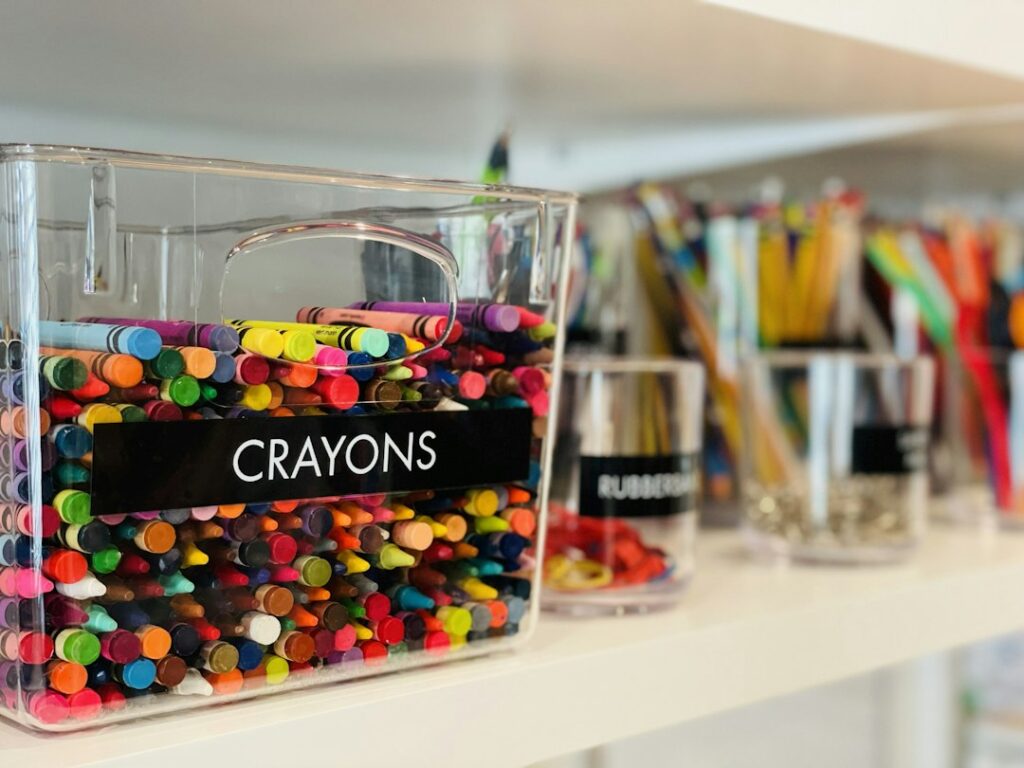
Replace mismatched boxes with stackable, clear airtight containers for flour, sugar, pasta and cereals. Uniform shapes stack safely and keep visibility high so you buy less duplicate food. Label lids for quick identification and measure container widths against shelf depth to avoid wasted back space.
8. Mount frequently used tools on the wall or backsplash
Magnetic knife strips, pegboards, or a slim rail with hooks move utensils and lids off counters and drawer shuffles. Keep the most-used items within arm’s reach and less-used tools tucked higher or in drawers. For renters, removable heavy-duty adhesive hooks or a wall-mounted bar can be a non-permanent solution.
9. Use a slim rolling cart or tiered counter tower for flexible storage
A narrow rolling cart (6–12" wide) is a mobile solution for small kitchens: use it for produce, cookbooks, or as temporary prep storage and roll it out when needed. Alternatively, a tiered counter tower stores frequently used items above the counter without blocking workspace.
10. Group items by task and create dedicated zones
Think beyond containers: group everything by use. Make a breakfast zone with bowls, spreads and coffee near the kettle; a baking zone with measuring cups, flour and mixing bowls together; and a cleaning zone under the sink. Zoning cuts down trips and reduces countertop holding territory.
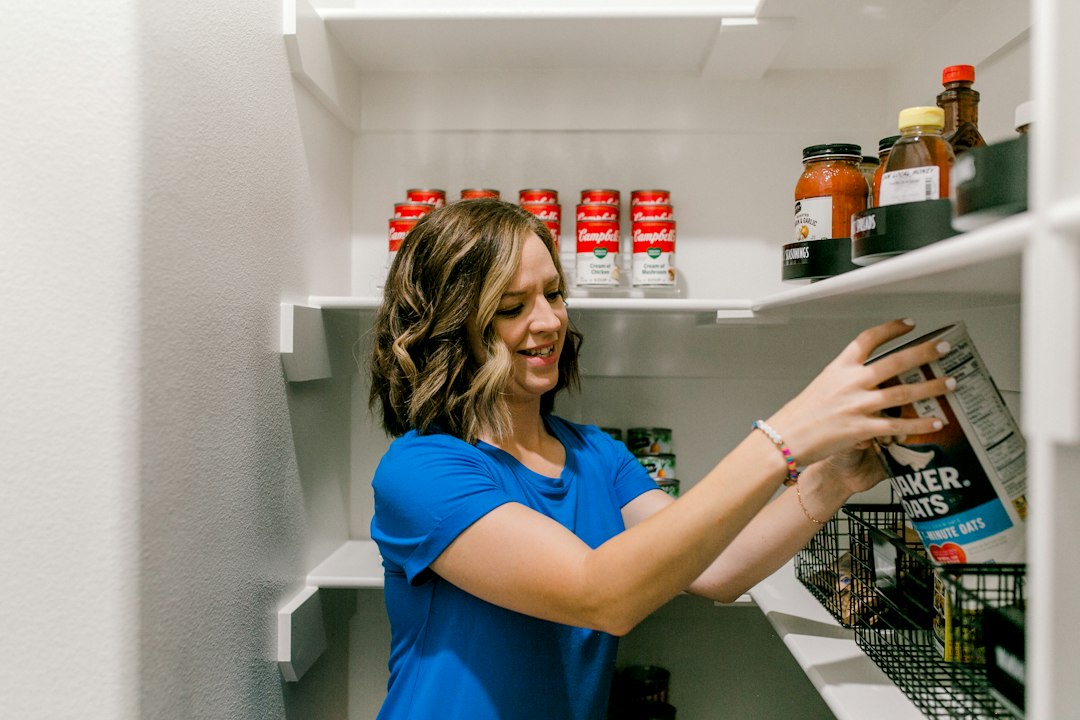
The product above works well for pantries that need a compact, high-capacity solution for canned goods; measure shelf width and height before ordering.
- Measure shelf widths, depths and door clearances before buying organizers.
- Decide on 2–3 kitchen zones (prep, baking, cleaning) to group items.
- Choose clear, stackable containers for staples to avoid duplicates.
- Allow clearance for plumbing when selecting under-sink organizers.
- Prioritize visibility (label lids, use open racks) to reduce countertop clutter.
Adopt a few targeted fixes — a can organizer in the pantry, door-mounted racks, an under-sink system and drawer dividers — and you’ll recover both shelf and counter space. Measure, zone and choose stackable, visible storage to make each change stick.
How do I pick the right under-sink organizer?
Measure the cabinet interior and note plumbing locations; choose an organizer that mentions pipe-friendly design or adjustable tiers and leave a couple inches for valves.
Will over-the-door racks make the pantry feel crowded?
Use shallow racks (3–5" deep) on narrow aisles and avoid overfilling; they work best for lightweight items like snacks or small jars.
Are magnetic strips safe for knives?
Yes, a properly installed magnetic strip stores knives securely and frees drawer space, but ensure it’s mounted at a safe height away from children.
Can I use stackable containers in a small pantry?
Stackable clear containers are ideal for small pantries because they increase usable vertical space and improve visibility, reducing duplicate purchases.
What’s the simplest first step to save space?
Clear the counters and put back only daily-use items; then add one organizer—such as a can rack or drawer divider—to expand usable space quickly.