Wishlist

Start with a quick reality check: what must stay and what can move
Before buying baskets or shelving, take 10–15 minutes to list what actually lives in your laundry room now—washer/dryer footprint, detergent stock, cleaning tools, seasonal items, and where dirty clothes accumulate. Clear choices up front make the rest of the planning fast: in a small space, every cubic inch should earn its place.
Use vertical space and sightlines to expand capacity
When floor area is tight, think up. Install a shallow shelf or a row of floating shelves above the washer and dryer for detergent, stain removers and a small caddy for clothespins. Open shelving keeps things visible and prevents double-buying. If you can, stack the dryer on the washer or use a manufactured stacking kit to free about 2–3 sq ft of floor space.
A narrow rail beneath a shelf makes a practical hanging zone for delicates or a foldable drying rack—this keeps wet items off radiators and prevents clutter on counters.
Fit a functional sorting system that matches your routine
Sorting doesn’t require a giant three-bin cart. Choose between these compact systems:
- Two collapsible canvas bags on a slim rolling frame for “colors” and “whites.”
- One large hamper plus a small mesh bag for delicates and hand-wash items.
- Wall-mounted or over-the-door hanging bins that keep floor space clear.
Label each bag/bin with a permanent tag or color code so the whole household knows where to drop laundry—that tiny behavior change reduces the need for weekend catch-up folding.
Make small areas work double duty
Think of every surface as multi-functional. A countertop above a front-loading washer becomes a folding station; an over-the-washer shelf with a pull-out rod turns into a temporary hanging spot. If space allows, mount a slim fold-down ironing board on the wall that tucks away when not used.

Keep frequently used items at arm’s reach
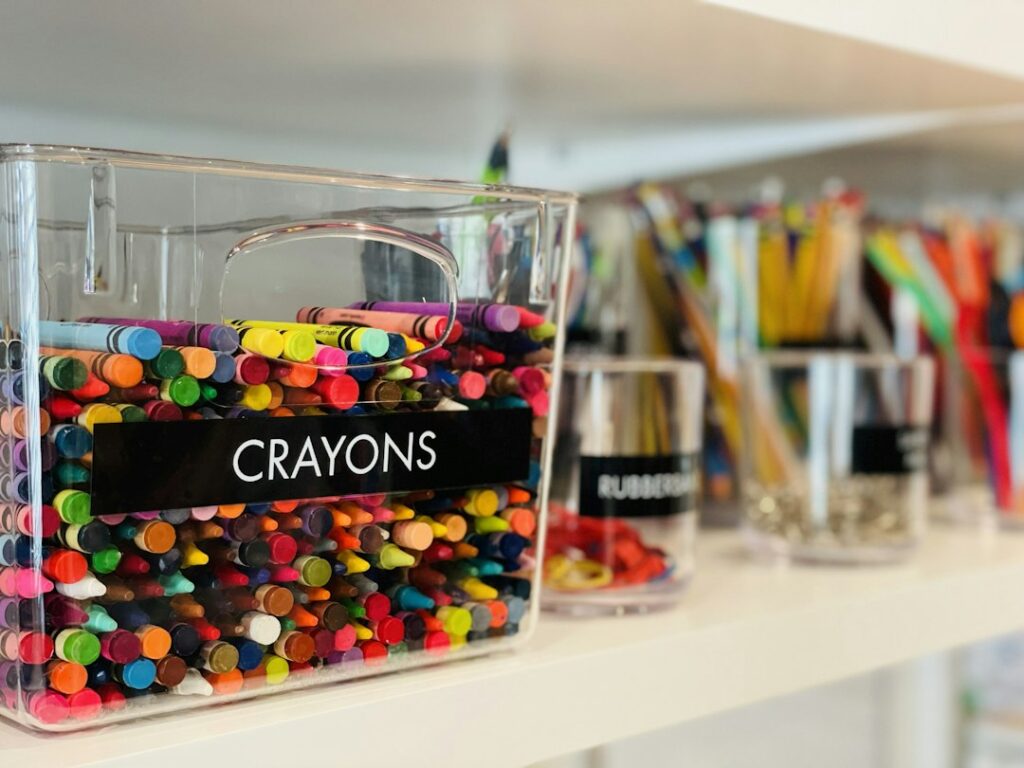
Use clear, identical storage bins for small supplies (pods, stain sticks, dryer sheets). Clear plastic bins with labels help you spot when supplies are low and stack neatly on a single shelf. For liquids, pick a narrow pump or pour bottle that fits between machines or on a shelf—reducing spills and making refills easier.
Over-the-door and behind-the-door solutions save inches
Doors are wasted storage in most homes. An over-the-door rack or shoe-style organizer is ideal for brushes, spray bottles, small lint rollers, and folded delicates. Choose low-profile organizers so the door still closes smoothly and nothing bumps the dryer controls.
Use hooks and magnetic strips for awkward tools
Attach adhesive hooks for frequently used items—lint brushes, a small folding drying rack, a reusable shopping bag for laundry transport. Magnetic strips mounted on the side of the machines hold metal tools like a small lint roller or replacement dryer lint screen handle without using shelf space.
Design for workflow, not just storage
Arrange items in an order that mirrors how you do laundry: pre-treat supplies near the sorting bins, detergent and pods on the shelf above the machine, drying tools close to the hanging rod. This reduces steps and keeps the room feeling organized even when mid-load.
Choose slim, stackable products for small footprints
Instead of a bulky single hamper, pick stackable or collapsible bins that tuck away inside a closet or on top of a dryer when not in use. For under-shelf gaps, shallow baskets or wire trays slide in and keep small items contained without blocking airflow.
Product pick for instant improvement
If you want an immediate, reliable container solution for a cramped laundry room, consider a clear, stackable storage bin that fits above or beside machines. A clear plastic bin keeps supplies visible and resists moisture—ideal for detergent, spare pods and seasonal items.

Quick wins you can do in an afternoon
- Install one shelf and a hanging rod above the machines.
- Replace mismatched containers with two identical clear bins.
- Add an over-the-door organizer for small tools.
- Move rarely used items to a nearby closet or high shelf.
When to trade a little convenience for longevity
If your laundry area is humid, avoid cardboard boxes and use plastic or metal storage for anything that could mildew. Also leave at least a few inches of clearance around machines for heat and service access—squeezing storage too tight makes repairs costly later.
- Measure the washer/dryer footprint and door swing before buying shelves.
- Decide one sorting method that fits your family’s habits.
- Choose clear, stackable bins for frequently used supplies.
- Add at least one hanging solution (rod, hooks or fold-down board).
- Keep heavy items low and lightweight supplies up high.
- Leave service clearance for appliance maintenance.
Organizing a small laundry room is about thoughtful reductions and vertical thinking: remove nonessentials, add visible storage, and create a workflow. Start with shelf + sorting bins, and add solutions that fit how you really do laundry.
How much clearance do washers and dryers need?
Most front-loaders need 1–2 inches on the sides and 4–6 inches at the back for hoses and ventilation; check your appliance manual for exact specs before installing shelves or stacking.
Can I put a shelf directly above my washer?
Yes, but leave enough clearance to load/unload comfortably—typically 12–18 inches above the lid or door—and anchor the shelf into studs to carry detergent weight safely.
What’s the best sorting system for small families?
Two collapsible bags or a single large hamper plus a mesh delicates bag are compact and cover most small-family needs without permanent floor footprint.
Are clear plastic bins necessary?
Clear bins aren’t required, but they make it easier to spot supplies and prevent duplicate purchases; choose airtight plastic if humidity is an issue.
How do I keep a shared laundry space tidy?
Use labels, quick visual storage (clear bins or uniform baskets), and a simple rule—such as “remove folded laundry within 24 hours”—to prevent pileups in tight spaces.