Wishlist

Quick answer: Clear the countertop, group daily items into a small tray or holder, and put everything else into contained storage (drawers, under-sink bins, or shelves) so you only keep what you use every day on display.
Organize your bathroom efficiently by creating a short list of “daily” vs “stored” items, adding appropriately sized containers, and establishing a two-minute nightly reset. The rest of this guide walks through a practical order: decide what stays, choose containment that fits your layout, and set simple habits that prevent clutter from returning.
Decide the goal and measure the space
Start with a brief goal: do you want a near-empty countertop, a curated display of daily essentials, or a bit of both? Measure vanity countertop depth and drawer/interior cabinet dimensions before buying storage. Knowing these sizes avoids containers that don’t fit and forces you to prioritize what should remain visible.
Clear and sort: one small basket at a time
Empty the countertop and any vanity drawers into a box or on the floor. Sort items into four piles: Daily (used every morning/evening), Weekly (hair tools, masks), Rare (spare toiletries, travel-size kits), and Trash/Expired. Be realistic—if you haven’t used something in six months it belongs in Rare or Trash.
Create zones so everything has a home
Map a simple zone plan based on how you use the space: Daily zone (countertop tray or toothbrush holder), Grooming tools zone (drawer with dividers), Hair tools zone (hook or vertical bin), and Cleaning/supplies zone (under-sink). Labeling shelves or bins helps keep everyone in the household on the same page.
Choose containment that matches each zone
- Countertop: Use one small tray or a toothbrush holder for the Daily zone. Limit visible items to 3–6 essentials to keep the surface calm.
- Drawers: Add clear drawer dividers or small plastic trays to keep cosmetics and small items separated—this prevents the “everything in one jumble” problem.
- Under-sink: Use tiered pull-out or stackable bins so you can see contents without crawling under the sink. A pipe-friendly organizer is best if plumbing limits vertical space.
- Shower/toilet area: Install a hanging shower caddy or over-the-door organizer for lotions and backup supplies to free up vanity space.
One product that solves under-sink chaos
If under-sink space is the bottleneck, an adjustable, tiered under-sink organizer makes a big difference—pull-out tiers give visibility and increase usable capacity while leaving room for plumbing.
Practical container sizing and materials
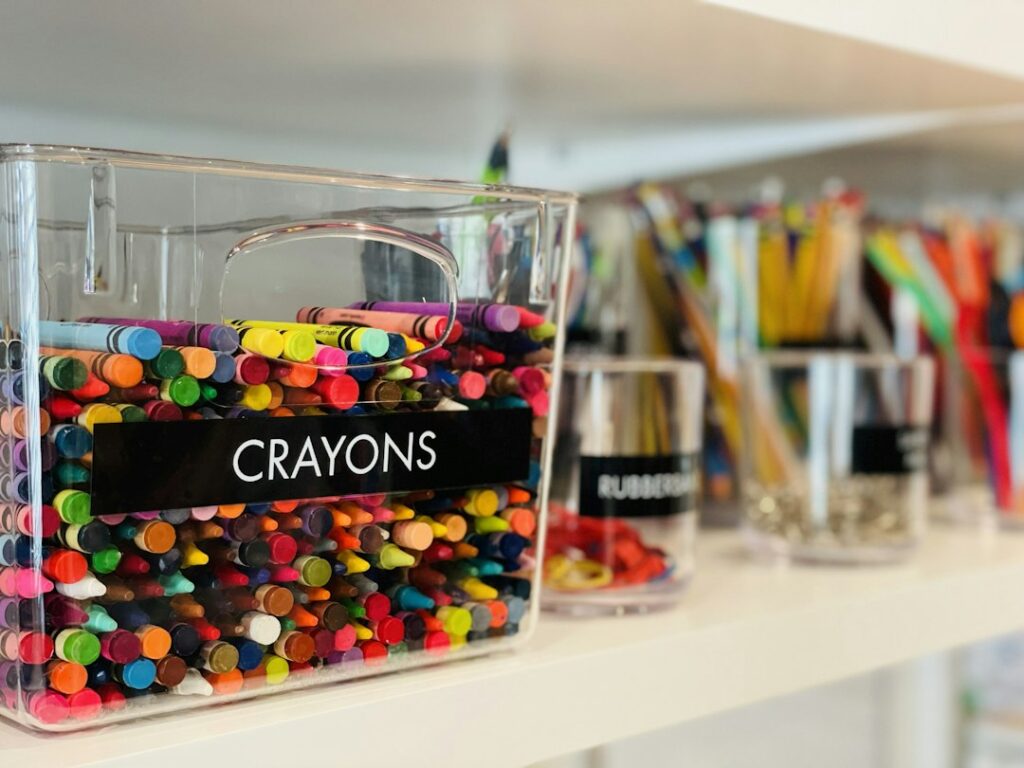
Pick containers that match the item sizes: shallow trays for daily cosmetics, deep bins for hair tools, and narrow vertical holders for bottles. Clear or translucent plastic is useful because you can see contents quickly; woven baskets look nicer on open shelving but pair them with small internal clear bins so you don’t need to sift through cloth baskets.
Drawer organization: small pieces, big payoff
Divide vanity drawers by use—morning routine items together, night routine together, and extras in a separate drawer. Use adjustable drawer dividers or modular trays so you can change the layout when your routines or products change.
Minimize duplicates and decant when useful
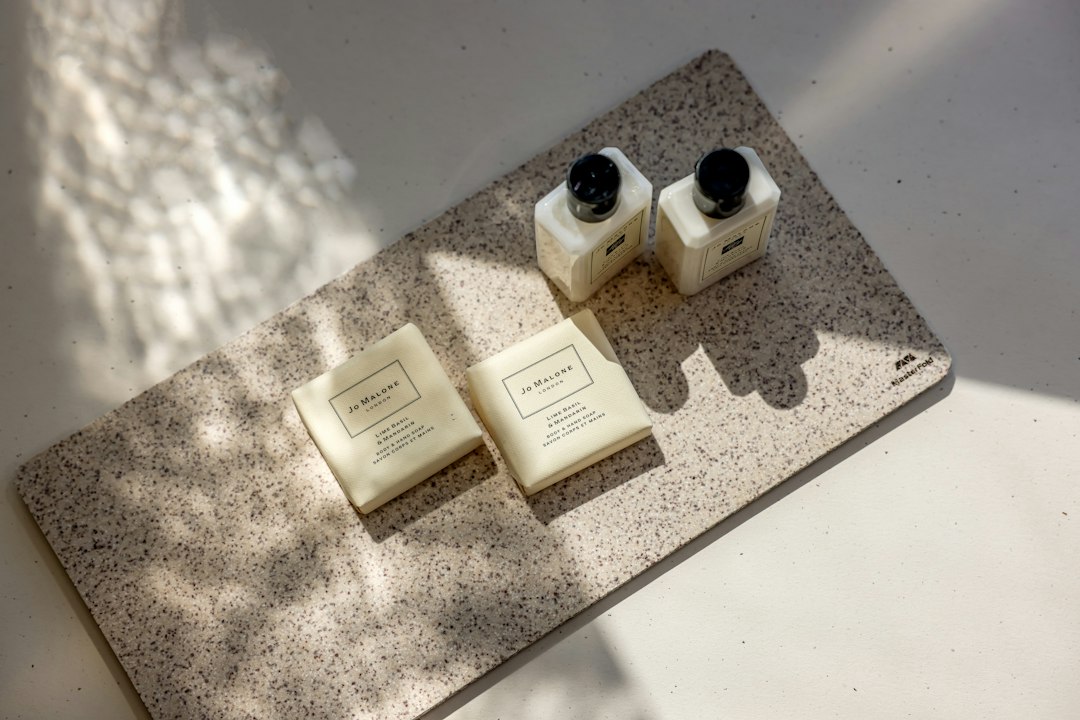
Store backup products (extra toothpaste, soap bars) in labeled bins under the sink or on a high shelf. For frequently used liquids, decanting into uniform pump bottles creates a neater look and shrinks the visual clutter of mixed labels.
Daily habits that prevent re-cluttering
- Two-minute nightly reset: return items to their bins and wipe the countertop.
- One-in-one-out rule: when you buy a new product, discard or donate an old one.
- Weekly quick audit: check expiration dates and move misplaced items back to their zones.
Troubleshooting common layouts
Tight vanity with no drawers
Use a narrow countertop tray and a medicine cabinet or wall-mounted shelf for small items. An over-the-door organizer on the vanity cabinet can hold masks, backups, or hair accessories without taking counter space.
Open shelving
Use identical baskets or bins for a uniform appearance; line baskets with labels and keep daily items in the top, easiest-to-reach shelf.
Small decisions that make a big visual difference
- Limit colors and finishes for containers—stick to two finishes (e.g., white and natural) for cohesion.
- Keep tall bottles to the back of a drawer or in a vertical caddy so they don’t topple.
- Hide cords: store hairdryer/curling iron in a heat-safe bin and wrap cords with Velcro straps.
Where to put the things you can't eliminate
Bulky or rarely used items—spare towels, large gift sets, travel cases—belong on a high shelf or a closet. If your bathroom lacks storage, consider a slim rolling cart that tucks beside the vanity; it can be rolled into a closet or another room when not needed.
Next steps: implement in a single afternoon
1) Empty countertop and drawers; 2) Sort and purge; 3) Measure and buy or reassign containers; 4) Place items into zones and test the routine for a week. Expect to tweak allocations after living with the system for a few days.

- Measure vanity and drawer dimensions before buying containers.
- Sort items into Daily, Weekly, Rare, Trash piles.
- Select one small tray for daily essentials and drawer dividers for small pieces.
- Add a tiered under-sink organizer if cabinet space is deep or awkward.
- Label bins and set a two-minute nightly reset habit.
Reducing countertop clutter is mainly about tough choices and the right containers: keep only daily items visible, store backups and infrequent items in labeled bins or under-sink organizers, and build a short nightly habit to maintain it. Start with one clear goal and one shopping list of containers sized to your actual space.
How many items should I keep on my bathroom countertop?
Keep only the essentials you use every day—usually 3–6 items—so the surface stays functional and easy to wipe down.
What’s the best way to store toothbrushes and toothpaste?
Use a small tray or a dedicated toothbrush holder and store toothpaste in a drawer or on a shelf if space is tight; keep them together in the Daily zone.
Are clear bins better than woven baskets?
Clear bins are better for visibility and small-item sorting; woven baskets look nicer on open shelves but pair them with internal clear bins for easy access.
How can I hide hair tools without trapping heat?
Use a ventilated, heat-safe bin and let tools cool before storing, or keep them on a shelf with airflow rather than sealed plastic immediately after use.
What if I don’t have any cabinet or drawer space?
Use wall-mounted shelves, an over-the-door organizer, or a slim rolling cart that can be moved when needed to create hidden storage.