Wishlist

Quick answer: stop making these common home organization mistakes now
The single takeaway: many organizing efforts create more clutter because they treat symptoms, not habits. Fixing the root causes—where items enter the home, how often you purge, and whether storage matches the actual items—prevents rebound clutter. Read the list below to spot the habits that most often backfire and what to do instead.
1. Buying storage before decluttering
Problem: You buy bins, baskets or shelving to “contain” the mess and then fill them. Why it matters: Containers become magnets for stuff you don’t need, so volume stays the same or grows.
Better approach: Sort first—keep, donate, recycle, trash—then buy storage sized for the remaining items. If you must buy something immediately, choose one small, returnable container and reassess in two weeks.
2. Using mismatched or opaque containers that hide what's inside
Problem: Dark, oversized boxes force you to open everything to find one item, which encourages dumping new things on top.
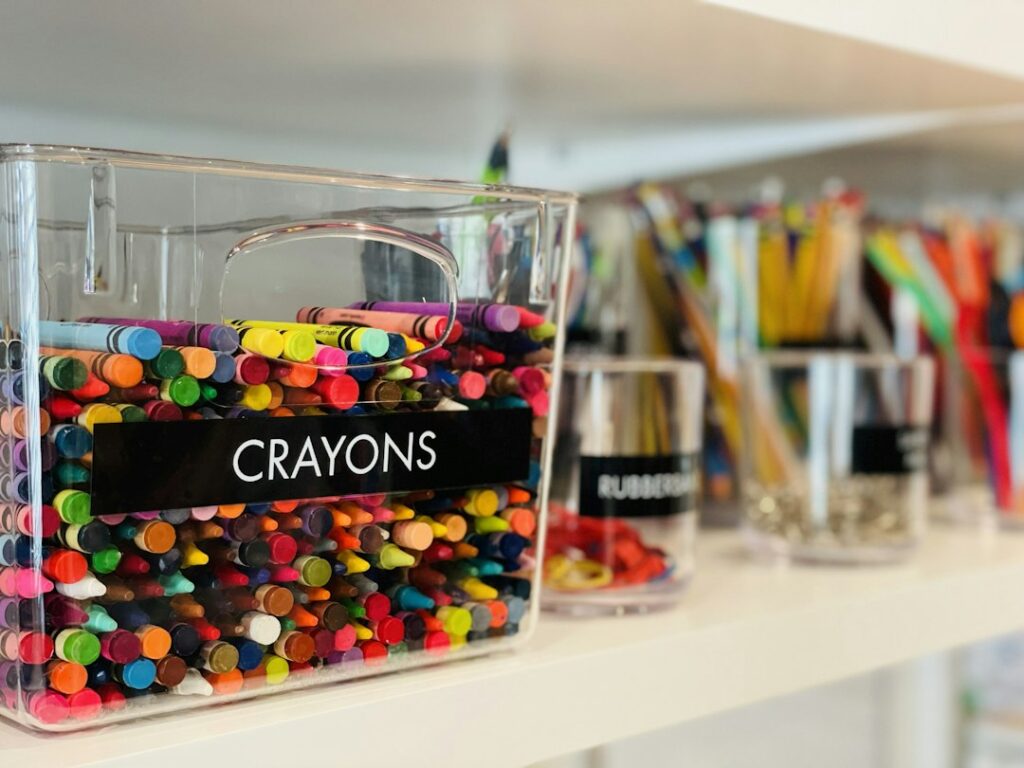
Better approach: Use clear bins or labeled baskets sized to the item group. For frequently used items, shallow bins or open trays work better than deep boxes.
3. Ignoring “drop zones” at entry points
Problem: Shoes, mail, keys and bags accumulate near doors because there’s no simple habit-friendly landing spot.

Better approach: Create a compact entry system—shoe tray, wall hooks for bags/coats, and a slim mail sorter. Make the rule: everything that comes in must go to a specific landing spot within 30 seconds.
4. Treating surfaces as temporary storage
Problem: Countertops, tables and the top of the washer become holding areas. Why it matters: Temporary piles become permanent because there’s no follow-up system.
Better approach: Limit surface catch-alls to one intentional tray or basket per room and clear it nightly. For mail and bills, use an inbox with a scheduled weekly processing time.
5. Over-accessorizing with too many organizers
Problem: Buying drawer dividers, labels and specialty racks for every small category can make the system rigid and hard to maintain.
Better approach: Start with a few versatile organizers—clear bins, adjustable shelf risers, drawer tray—and add only when you identify a persistent pain point. Simplicity reduces friction for returning items to their place.
6. Not measuring before buying solutions
Problem: Over-the-door racks or under-sink organizers that don’t fit cause improvised fixes and extra clutter.
Better approach: Measure height, width and depth before purchasing. If you’re organizing under a sink, account for pipes; consider a pipe-friendly under-sink organizer like an adjustable tiered rack to maximize space without forcing items into cramped piles.

7. Storing items where you won’t use them
Problem: Winter coats in basement closets or everyday dishes on a high shelf leads to reshuffling and temporary piles nearby.
Better approach: Store by frequency of use. Move daily items to reachable locations and seasonal items to truly out-of-the-way storage. A “one-touch” rule—items should be accessible in one move—increases the chance they’re returned after use.
8. Treating everything as “maybe useful”
Problem: Keeping things for vague future scenarios (the “just in case” trap) fills space with low-value items.
Better approach: Create a three-year rule for category-based items (tools, craft supplies, duplicate kitchen gadgets). If you haven’t used or looked for an item in that timeframe, it likely belongs elsewhere. Exceptions: items with clear sentimental value or irreplaceable parts.
9. Overstuffing closets and shelves
Problem: Packing items tightly makes it harder to see and retrieve things—so you buy duplicates or pull out whole sections to find one item.
Better approach: Respect breathing room. Leave 10–25% empty space on shelves; rotate seasonal items into accessible storage. Use slim hangers and shelf dividers to keep clothing and linens tidy without cramming.
10. Ignoring maintenance routines
Problem: A one-time reorganization feels great for a week, then daily life reintroduces clutter.
Better approach: Schedule short, regular maintenance—10 minutes daily tidying and a 30–60 minute weekly sweep for hot spots like the kitchen counter, entryway and mail. Small habits defeat big backsliding.
11. Not tailoring solutions to your household
Problem: Copying a storage setup from a friend or influencer without adaptation fails when family size, routines or space differ.
Better approach: Test any new system for two weeks and adjust. For families, include zones for each person’s essentials so responsibility is clear. Kid-height hooks or labeled cubbies dramatically lower the friction of returning items.
12. Hiding clutter behind closed doors instead of reducing it
Problem: Pushing things into closets, cabinets or boxes keeps the house looking tidy on the surface while the underlying volume of stuff grows.
Better approach: Use hidden storage sparingly—reserve closed storage for less-used or visually distracting items. Keep frequently used items in open, visible places for accountability and to avoid re-accumulation.
Product suggestion for a common trouble spot
If under-sink chaos is a recurring source of clutter, a pipe-friendly, tiered under-sink organizer saves space and prevents bottles from toppling—especially useful in kitchens and bathrooms.
When to buy new organizers—and when to stop
Only purchase an organizer after you’ve: (1) removed items you don’t need, (2) measured the space, and (3) tested a temporary layout. If you’re tempted to buy dozens of organizers, pick one area and iterate—success there is a better predictor than the latest storage haul.
[h2]Related planning resources[/h2]For room-specific tricks, see our guides on bathroom organization, pantry tips, and room-by-room decluttering.
- Sort items before buying any storage
- Measure spaces and account for obstacles (pipes, hinges)
- Create clear entryway drop zones for daily items
- Limit surface catch-alls to one container per room
- Schedule 10 minutes daily and 30–60 minutes weekly maintenance
Most organizing mistakes come from quick fixes that ignore habits and flow. Prioritize decluttering, match storage to real use, and build tiny maintenance routines—those three moves stop clutter from returning.
How do I know which storage to buy first?
Buy storage only after decluttering and measuring; start with versatile clear bins or adjustable shelving for the area where you need the most help.
What’s the easiest room to start organizing?
Start with an entryway or a single drawer—small wins like a tidy inbox or shoe corner build momentum and show quick benefits.
How often should I declutter?
Do a quick sweep weekly and a more thorough room-by-room purge every 3–6 months, adjusting for seasonal needs.
Are labels necessary?
Labels help when multiple people use a space or bins are opaque; skip them for open, visible systems where items are obvious.
Can hiding clutter behind closed doors work long-term?
Hiding can work temporarily, but it often delays decision-making. Reduce volume first, then use closed storage for long-term or seasonal items.