Wishlist

Start with the result you want: airy counters, clear sightlines, and everything within reach
When you organize a small kitchen you’re aiming for two things that often conflict: increasing usable storage and keeping the space feeling open. What matters most is removing casual clutter from counters and choosing storage that reduces visual weight—glass, uniform containers, open shelving with deliberate gaps, and vertical solutions. You can safely ignore trends like piling every gadget on display; small kitchens benefit from fewer visible items, not more.
Create a practical layout by zoning for tasks
Before moving anything, map how you actually use the space: where you prep, cook, wash, and store food. In a tiny kitchen, zones will overlap, but the point is to keep the items you use in each zone close by. For example, keep knives, cutting boards and most-used utensils near the prep surface; store pots and lids near the stove; keep dish soap, sponges and garbage under the sink.
Quick method: the three-foot rule
If you’re unsure, choose one main prep surface and ensure the three-foot area around it holds the most-used tools. This short decision prevents burying essentials in a distant cabinet.
Clear counters fast and intentionally
Clear counters make a small kitchen look larger immediately. Remove duplicates and items you use less than once a week. Keep only one or two tools on the counter—typically a coffee maker or a cutting board—and store the rest.
- Group similar items and ask: “Will I use this weekly?” If not, relocate it.
- Use shallow trays or a single attractive canister for daily utensils—it keeps items organized and reads as a single object visually.
- Reserve a small, visible landing zone for mail or keys, but limit it to one shallow basket that you empty weekly.
Exploit vertical space and underused faces
Walls, cabinet sides and the back of doors are prime real estate. Hang a magnetic knife strip instead of a block, mount a slim pegboard for utensils, or install a rail for frequently used pans. For pantry doors or cabinet doors, over-the-door racks add storage without depth.
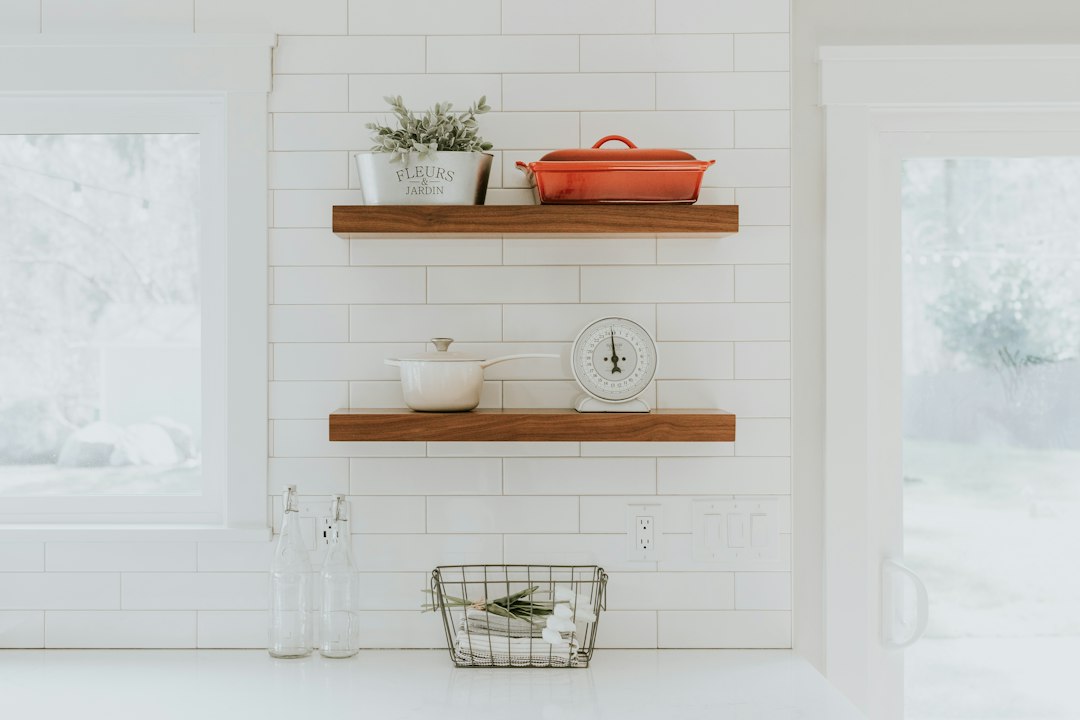
Vertical storage keeps counters clear and helps you see what you have—reducing duplicates and expired food buildup.
Make small drawers and cabinets work harder
Divide and conquer: use drawer organizers for utensils and small gadgets, and clear plastic bins inside cabinets so you can pull forward what you need. Stackable risers expand usable vertical space for plates and mugs. For deep cabinets, sliding organizers or a lazy susan prevent items lost in the back.
Use see-through, matching containers to reduce visual clutter
Transferring dry goods into uniform, airtight containers does two things: it increases usable shelf space and creates a calmer visual field. Clear containers let you read contents at a glance, while matching lids or labels reduce the “busy” look that mismatched packaging creates.
Under-sink and narrow-space organizers you can count on
Under-sink areas are awkward but valuable. Choose tiered, pipe-friendly organizers to store cleaners and spares without stacking everything in a messy pile. For narrow gaps between appliances or counters, slim pull-out caddies hold baking sheets, cutting boards, or plastic wrap.
The recommended under-sink organizer fits many sinks while adding tiered stability; it’s worth measuring your cabinet interior for height clearance before buying.
Consider open shelving—but edit ruthlessly
Open shelves can make a small kitchen feel bigger by creating depth, but they become visual clutter if overloaded. Keep only attractive, used items on display: a single row of plates, a small stack of bowls, and one or two decorative items. Store overflow in closed cabinets.
Adopt a "one-in, one-out" rule for small kitchens
Space is finite. For each new gadget or decorative item you bring in, remove one. This prevents slow creep that leaves a once-tidy kitchen feeling crowded.
Troubleshooting common small-kitchen problems
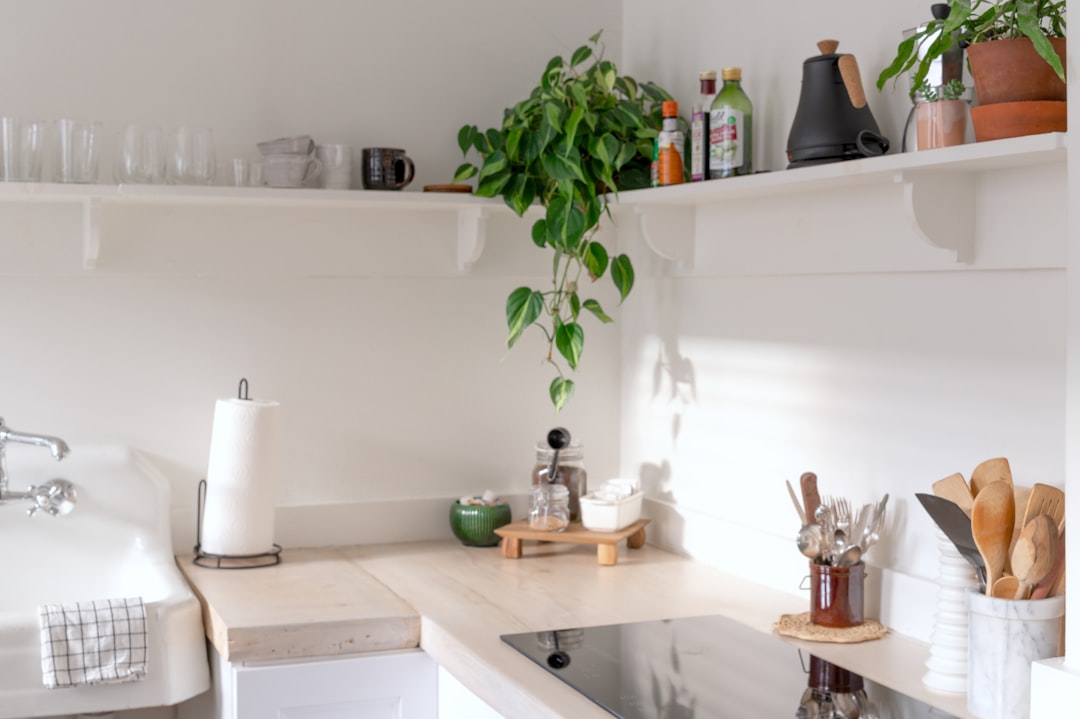
- Still crowded after organizing: Re-evaluate items in frequent rotation—sometimes “used weekly” is actually “used monthly.” Move rarely-used tools to storage elsewhere in the home.
- Cabinets feel jumbled: Remove everything and reassign by task rather than by item type—store baking tools near the oven, not with rarely used holiday bakeware.
- Not enough counter space: Add a removable butcher block over the sink or a slim rolling cart that tucks away when not needed.
Small maintenance habits that keep the space open
Spend five minutes at the end of each day: clear crumbs, return items to their zones, and wipe surfaces. Weekly, scan your pantry for expired goods and rehome items you didn’t use. These short habits prevent clutter from compounding.
When to upgrade or replace storage
Invest in organizers when the pain point is recurring: a drawer that never stays tidy, or an under-sink that becomes a cleaning-supplies graveyard. Choose compact, well-reviewed solutions that match your cabinet dimensions. Over-investing in expensive pantry builds may not make sense in a rental—opt for reversible fixes like hanging racks and modular bins.
- Clear counters: remove everything not used daily.
- Map zones for prep, cook, wash and pantry items.
- Measure cabinet depths and under-sink height before buying organizers.
- Use vertical solutions: magnetic strips, rails, over-the-door racks.
- Consolidate dry goods into uniform clear containers.
- Adopt one-in, one-out to prevent clutter creep.
Organize a small kitchen by prioritizing counter clearance, creating functional zones, and using vertical and under-sink organizers to gain storage without adding visual weight. Small, repeatable habits keep the space feeling open and useful.
How do I make a tiny kitchen look bigger?
Keep counters mostly clear, use open shelving sparingly, choose matching clear containers, and rely on vertical storage to free floor and counter space.
What’s the best way to store pots and pans in a small kitchen?
Store pots near the stove, nest lids separately on a rack or lid organizer, and consider a pot rail or shelf to free cabinet floor space.
Can I use open shelving in a rental kitchen?
Yes—use freestanding shelves or floating shelves that use minimal hardware, and keep displayed items minimal to maintain an airy look.
Which small-space organizer will make the biggest difference?
Under-sink tiered organizers and over-the-door pantry racks often yield immediate gains because they reclaim overlooked vertical space.
How often should I declutter the kitchen?
Do a quick five-minute tidy daily and a deeper sweep weekly to remove expired food and re-evaluate items you aren’t using.